
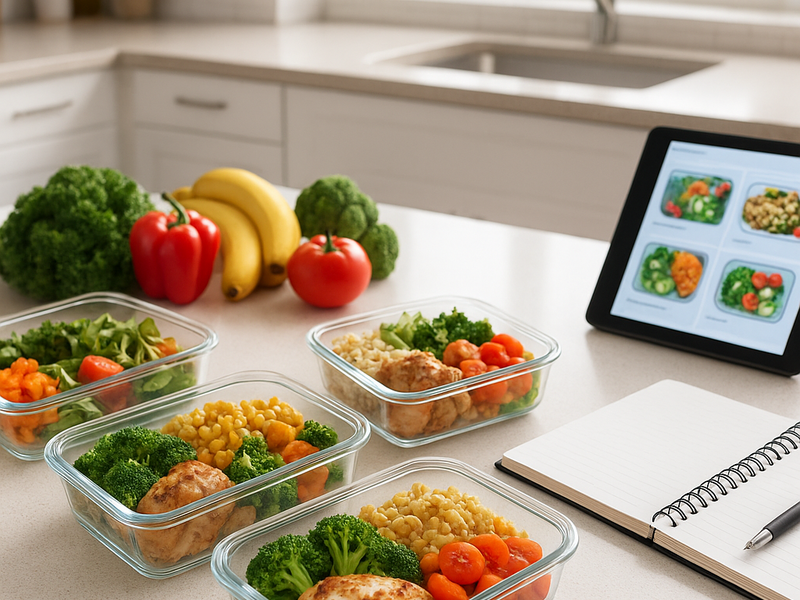
Busy schedules rarely leave room for daily meal planning, yet the weekly ritual of prepping meals can transform energy, mood, and wallet. A 7-day meal prep plan for busy people that is simple and affordable can help you eat well without spending hours in the kitchen. The goal is not perfection but consistency: a handful of core ingredients that can be mixed, matched, and reheated to create a variety of satisfying meals. With a practical approach, you can cut food waste, curb impulse purchases, and still enjoy flavorful, nutritious food throughout the week.
Why a 7-day plan works The advantage of a weeklong plan is tempo. By dedicating a single block of time to batch cooking, you unlock a smoother daily routine. Prep time can be short and efficient when focused on a few dependable components: a dependable protein, a bulk staple like grains or potatoes, a handful of vegetables, and a simple sauce or seasoning. When these pieces exist, assembling breakfast, lunch, and dinner feels less like a chore and more like a quick, modular puzzle. For busy people who want to keep costs down, the plan is especially effective because it minimizes takeout, reduces impulse buys, and leverages leftover ingredients across multiple meals.
Getting started: a simple framework Step one: define goals and budget. Decide how many meals you want to cover and how many days you’ll rely on leftovers. A flexible target is to aim for nourishing options that require little to no reheating time. Set a weekly budget in plain terms, perhaps describing it as a comfortable range that keeps access to fresh produce and lean proteins without pushing you into expensive convenience items.
Step two: choose dependable foundations. Pick a protein that scales well and can be cooked in bulk, such as chicken breasts, lentils, chickpeas, eggs, or tofu. Add a starch you like—quinoa, brown rice, or whole-wheat pasta. Choose three to four vegetables you enjoy and that store well, such as broccoli, bell peppers, carrots, spinach, and onions. Keep a few versatile sauces or seasonings on hand, like a simple tomato-based sauce, yogurt-herb dressing, soy-ginger glaze, or lemon-garlic dressing. The aim is to have a pantry of go-to elements that combine with different proteins across meals.
Step three: plan meals that reuse ingredients. Build the week around a small set of reusable components. For example, roasted chicken with vegetables can pair with quinoa on one day and become a salad topping or wrap filling on another. A chickpea curry can serve with rice one night and transform into a veggie bowl with roasted veggies the next. The key is to pair meals so that ingredients complement rather than compete, reducing waste and saving money.
Step four: craft a practical shopping list. Organize the list by sections and group items by how you’ll find them in the store. Dry goods, produce, dairy, and proteins should be separated, with quantities estimated for seven days. If you have a limited fridge space, choose compact ingredients and consider frozen vegetables to extend shelf life without sacrificing nutrition.