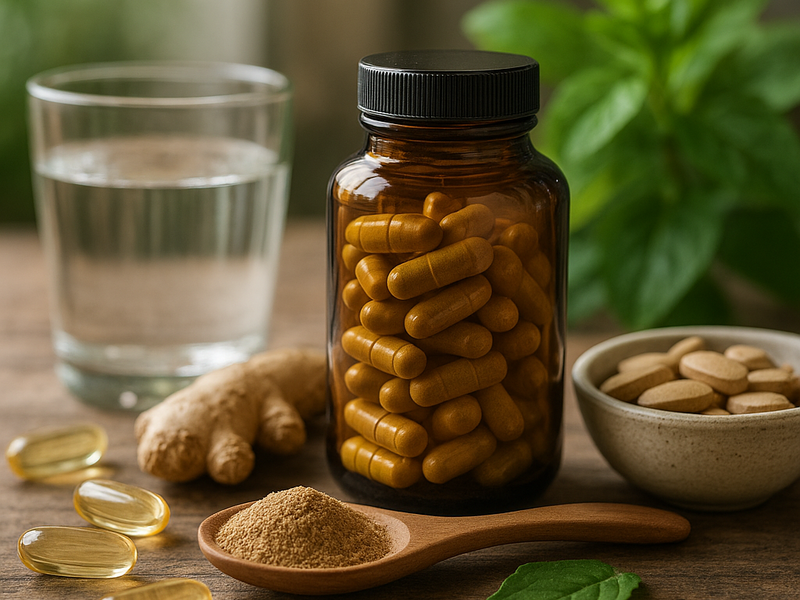
Understanding energy as a everyday consideration means looking beyond flashy claims to what actually supports steady, reliable vitality. Best Supplements for Energy: What Helps and What’s Overhyped often sound identical, yet the truth is nuanced. Some products genuinely move the needle for focus, mood, and sustainable exertion, while others rely on buzzworthy marketing or micro-claims that don’t translate into meaningful results. The goal here is to separate evidence-backed helpers from hype and map out practical, safe ways to use them.
First, what genuinely moves energy levels? It starts with reliable, well-established levers. Caffeine remains the most consistently effective short-term energizer. It can sharpen alertness, improve mood, and boost reaction time when used in moderate amounts and timed away from late in the day. The potential drawback is sleep disruption and jitteriness for some people, especially those with sensitivity or higher daily caffeine intake from multiple sources. A common and practical approach is to pair caffeine with L-theanine, an amino acid found in tea. This duo tends to smooth out jitters while preserving focus, making it a favorite pairing in many over-the-counter blends.
Creatine is another ingredient that often surprises people with its energy-boosting value. Best known for supporting short, high-intensity activity, creatine also helps replenish cellular energy in brain tissue, which can translate to improved mental stamina during demanding tasks. For many, the benefit shows up over several weeks of steady use rather than instantly. It’s typically well tolerated, but people with kidney concerns or those taking certain medications should consult a clinician before starting.
B vitamins have a metabolic role in turning nutrients into usable energy, but they aren’t energy boosters for everyone. In people with documented deficiencies or certain medical conditions, correcting the deficiency can lift fatigue. For those with adequate levels, adding a B-complex is unlikely to produce a dramatic lift in energy on its own. The same idea applies to iron: only those with a clinically confirmed deficiency will notice a meaningful change in energy levels, and supplementing otherwise can be unnecessary or harmful. If fatigue persists, testing iron status with a clinician is a prudent step.
Beetroot nitrate is an evidence-backed option that can enhance endurance and reduce perceived exertion during aerobic activity. The effect might feel subtle in everyday tasks but can be meaningful for athletes or highly active individuals. The approach is practical: if you enjoy beetroot juice or a nitrate supplement, consider it as a supportive component rather than a primary energy source.
Adaptogens such as ashwagandha and rhodiola rosea appear to help some people manage stress and fatigue, particularly during demanding schedules or circadian disruptions. The research is encouraging but not universal; individual responses vary, and quality matters. If you’re curious, try a well-regarded, standardized extract from a reputable brand and monitor how you feel over several weeks.
Beyond single ingredients, some people benefit from a broader hydration and electrolyte strategy. Dehydration and electrolyte imbalances are common, especially in hot weather or during long workdays, and they quietly sap energy. Replacing fluids and minerals with a balanced beverage or a dedicated electrolyte mix can provide an immediate, practical lift that is independent of stimulants.
What’s often overhyped? Promises of instant, dramatic energy with sugar-rich “energy” drinks, proprietary blends whose ingredient amounts aren’t disclosed, or supplements that claim to replace sleep or cure fatigue without lifestyle changes. Some products rely on high caffeine loads or a mix of stimulants with little scientific backing, which can lead to anxiety, sleep problems, or long-term tolerance. A healthy skepticism toward miracle claims is wise, and a sustainable energy plan should include sleep, nutrition, stress management, and regular physical activity alongside any supplements.