
Carry-On Packing List: Everything You Need (Nothing You Don’t)
Article
2026-01-26 • 5 min read

Carry-On Packing List: Everything You Need (Nothing You Don’t)

Carry-On Packing List: Everything You Need (Nothing You Don’t) is a guide that translates travel into a ritual of preparation rather than a scramble at the airport. The essence of a well crafted carry on packing list is straightforward: assemble a compact, ...

Carry-On Packing List: Everything You Need (Nothing You Don’t) is a guide that translates travel into a ritual of preparation rather than a scramble at the airport. The essence of a well crafted carry on packing list is straightforward: assemble a compact, versatile set of essentials that covers you for the trip without turning your bag into a payload of excess items. When you approach packing with intention, your bag becomes a dependable tool for comfort, efficiency, and peaceful transit.

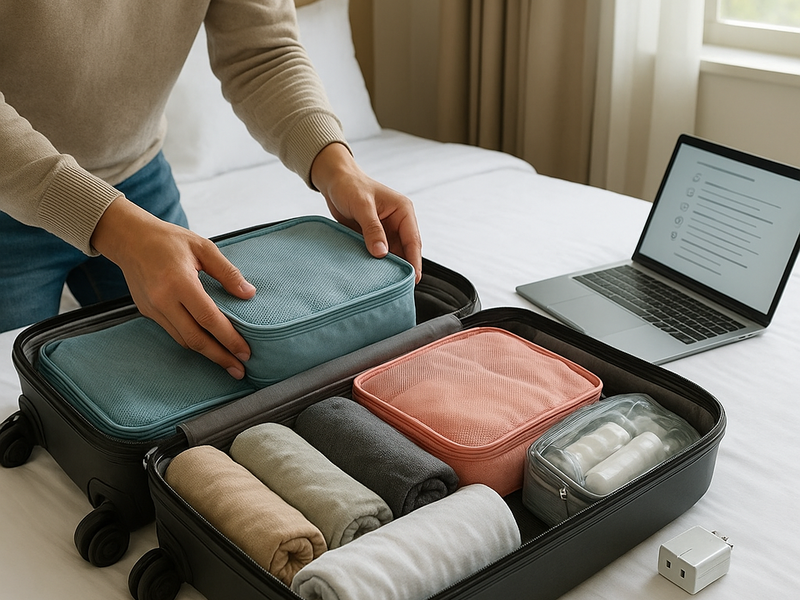
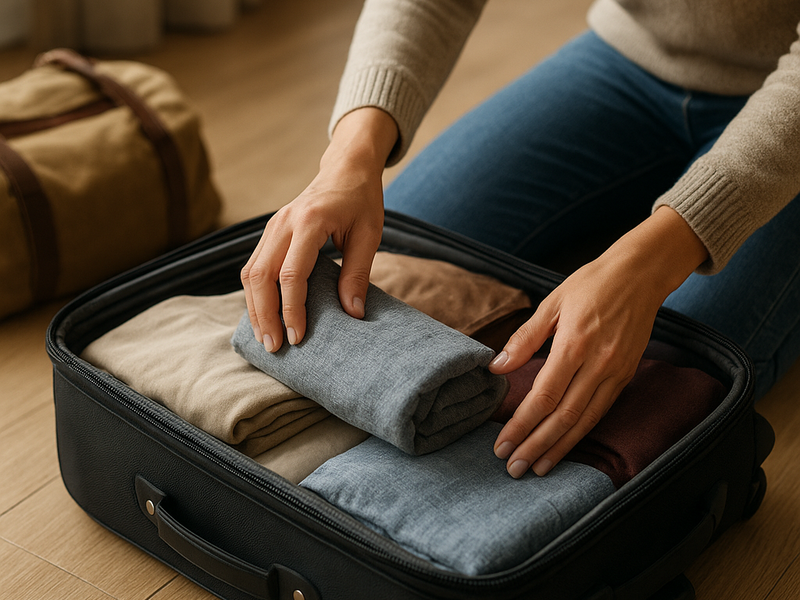
A smart carry on begins with clothing that is adaptable, durable, and space conscious. Choose a small capsule of pieces that mix and match across days, rather than a wardrobe of single use outfits. For most short to mid length trips, two to three tops, two bottoms, and a flexible outer layer form a reliable base. Favor wrinkle resistant fabrics that dry quickly, and pack items in neutral tones that can be combined in multiple ways. If the forecast is uncertain, a light sweater or compact jacket can pull together your look while keeping bulk to a minimum. Shoes deserve careful curation as well; one comfortable everyday pair plus a backup option for dressier occasions or rough weather is typically enough. Rolling or folding both have benefits; packing cubes keep outfits organized and make it easy to relocate items from the suitcase to the hotel dresser or a closet.

Toiletries are a frequent source of excess weight, so apply the three three rule in spirit: limit each container to a practical amount, consolidate items that serve multiple purposes, and store liquids in a single transparent bag outside the main compartment. The standard guideline in many jurisdictions caps liquids at a small size per item and requires they fit within a single quart or liter bag for security screening. This is not merely a rule to follow; it’s a discipline that reduces leakage and frees valuable space for a spare shirt or an extra charger. A compact toiletry kit might include a travel toothbrush, a slim toothpaste tube, a small facial cleanser, a multifunction balm, and any medication you rely on, plus a minimal first aid kit. If you wear contact lenses, plan for the smallest practical supplies; if you use glasses, carry a spare set.

Electronics and documents move into a different realm of must haves. Your carry on should hold your phone, chargers, a universal adapter if you’re crossing borders, headphones for the journey, and a compact power bank that can keep essential devices alive during long flights or layovers. A slim USB-C or multi port charger can cut down on cord chaos while a compact organizer keeps cables tangle free. Important documents—passport or ID, boarding passes, hotel confirmations, travel insurance—should be easily reachable but secure. A small pouch or dedicated pocket helps you grab what you need without unzipping the entire bag.
Carry-On Packing List: Everything You Need (Nothing You Don’t)

The psychology of packing is often overlooked. A well organized carry on reduces the stress of travel by giving you confidence that you can handle most contingencies. A practical strategy is to combine a core list with destination specific add ons. If you are heading to a cold city, add a compact scarf and gloves; if the trip is mostly business, keep a neat travel shirt and a lightweight blazer that can transition from flight to meetings. This approach makes the same carry on bag capable of handling a weekend city break or a longer business trip with only minor adjustments.

When you consider products and services that help people assemble or purchase a carry on packing list, several options stand out. Reputable luggage brands such as Away, Samsonite, and Rimowa offer carry on suitcases designed for efficient packing with integrated organizers, durable shells, and thoughtful interior layouts. Away provides a streamlined experience with durable materials and modular interior options, while Rimowa emphasizes premium construction and a sophisticated aesthetic. Samsonite is widely available with a broad range of prices and warranty coverage, making it a practical choice for many travelers. For organization and optimization at the packing stage, packing cubes from Eagle Creek or Shacke offer reliable modular compartments that keep outfits tidy and accessible during travel. These cubes help you see at a glance what you have, and they simplify repacking at the end of a trip.

In the digital space, packing list apps and resources can guide you in creating a personalized checklist. PackPoint, for example, creates a destination specific packing list based on length of trip, weather, and activities, and can sync with other travel apps for convenience. Other websites by travel publishers—Lonely Planet, Travel + Leisure, and Condé Nast Traveller—offer practical packing lists and tips that reflect current travel behavior and fashion sensibilities. Online retailers and travel gear shops also provide curated lists, from essential carry on accessories to complete packing kits, which can be helpful for travelers who want a ready made solution rather than starting from scratch.

If you want to do it yourself, here is a practical workflow. Start by selecting your bag. A sturdy, well fitting carry on that meets airline size guidelines reduces surprises at security or gate check. Build a base wardrobe of versatile pieces that mix and match, then add one outer layer and a compact pair of shoes. List toiletries in a clear quart bag and include only items you truly use daily. Place electronics in a dedicated pocket and reserve another for documents. Use packing cubes to segment outfits and accessories; this not only makes the bag look tidy, but it makes it easier to find items mid trip. Confirm your list against the length of your trip and any planned activities, and prune anything that isn’t needed. Finally, test your system at home by packing for a mock trip and walking around with the weight you’ve assembled. If you can lift your bag with ease and still access essential items without unhitching the entire interior, you’ve likely found a sustainable balance.

Suggestions worth considering include investing in a high quality carry on with a reliable warranty, especially if you travel frequently. A durable luggage shell and well thought out interior organization can turn every flight into a smoother experience. If you travel with family or on multi city itineraries, consider independent packing cubes for each person to avoid cross contamination of items and to speed up morning routines. And whenever possible, tailor your packing list to your destination’s climate and cultural expectations; a little research can prevent over packing while ensuring you still have what you need for comfort and safety.

← Back to all articles