Dog Grooming at Home: Beginner Steps That Actually Work
Grooming your dog at home can be a calm, rewarding ritual that keeps your pet comfortable, healthy, and happy. For beginners, the key is to start with a simple routine, the right gear, and a gentle approach that builds trust over time. With a little practice, you can reduce the stress of grooming, catch potential issues early, and save money while maintaining a tidy coat.
First, gather a small, reliable kit. You don’t need every gadget on the market to get started; a basic setup will do. Good brushing is the foundation because it removes loose fur, untangles mats, and distributes natural oils. A slicker brush or a pin brush paired with a comb works well for most coat types. For baths, use a dog specific, mild shampoo that matches your dog’s skin sensitivity. Human shampoos can irritate a dog’s skin and strip essential oils. Towels, a non slip mat, a grooming table or a sturdy, elevated surface, and a leash or harness for control are also essential. If you plan to trim nails, have a nail clipper designed for dogs, a nail file or a small grinder, and some styptic powder in case you nick the quick. For ears and teeth, gentle ear cleaners and dog safe toothpaste complete the starter kit.
Where you shop matters. Major retailers and specialized pet sites offer different advantages. Amazon stocks a wide range of grooming tools, often with customer reviews that help you gauge quality and suitability for your dog’s breed and size. Chewy specializes in pet products, with reliable shipping and a focus on dog care needs, including grooming shampoos and tools that caregivers frequently reorder. PetSmart and Petco combine online shopping with brick and mortar stores, which is helpful if you want to see products in person or schedule an in-store grooming session if you need a hand. Walmart offers budget friendly options with broad distribution, though the grooming specific assortment may be smaller. When choosing, look for breed appropriate sizes, easy grip handles, and clear instructions. Reading reviews from other dog owners with similar coat types can be especially valuable for a first timer.
Begin your grooming routine by setting a comfortable scene. Choose a quiet time when your dog is relaxed, after a short walk or play session. The space should be warm but not too hot, with good lighting. A non slip surface is crucial to prevent slips and reassure your dog. If your dog tends to be anxious, consider a crate or a familiar bed nearby so the dog can retreat to a safe spot.
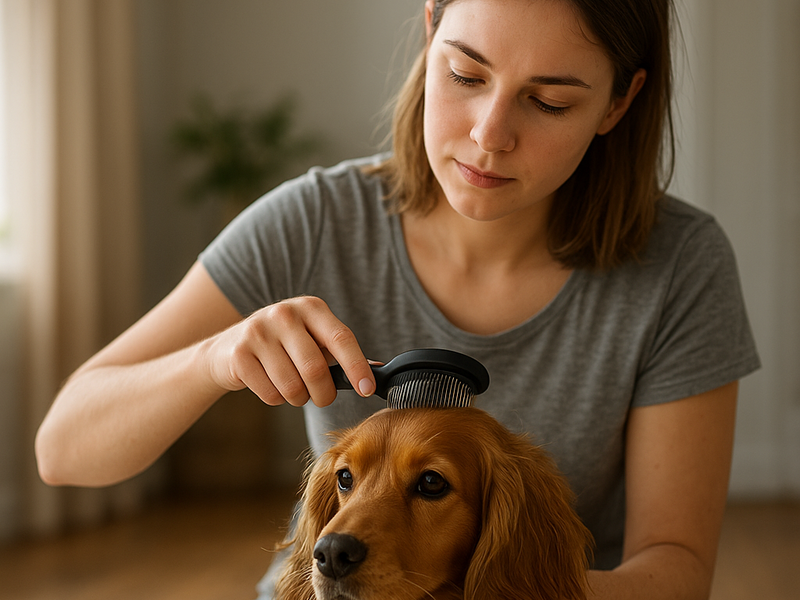
Step one is brushing. Start with a friendly tone and gentle strokes. If you encounter mats, be patient. Work from the tips of the fur toward the skin in small, careful motions. For dogs with dense undercoats, a pin brush followed by a slicker brush can help lift tangles. After brushing, run a comb through the coat to check for remaining mats or tangles, and to ensure you’ve loosened any debris like burrs or leaves. Regular brushing reduces shedding and keeps grooming sessions short, which helps if your dog is not yet comfortable with baths.
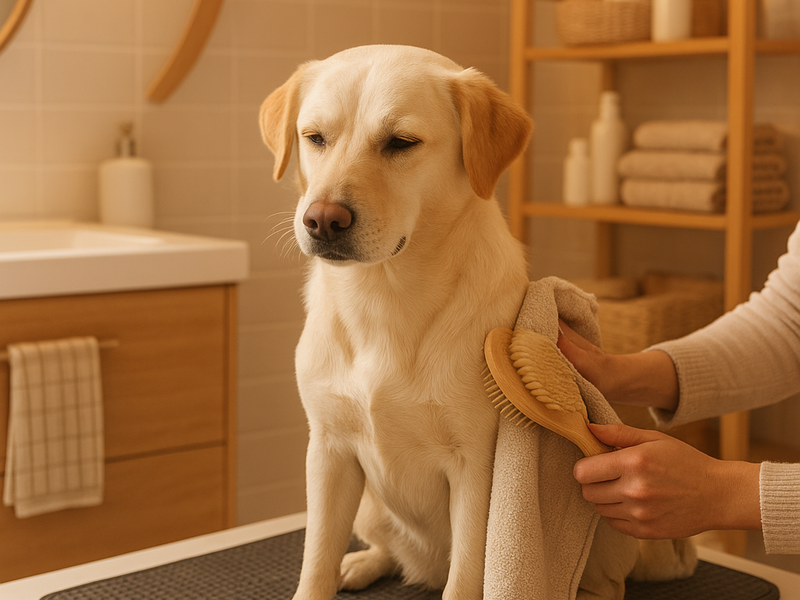
Bath time comes next. Wet the coat thoroughly with lukewarm water, avoiding the head area unless your dog is accustomed to showers. Lather the shampoo gently, focusing on the back, sides, legs, and chest, then rinse completely. Residual shampoo can irritate skin and leave a dull coat. Some dogs tolerate a light towel dry between shampooing and rinsing, which can help reduce coat friction and make drying easier. After rinsing, you can apply a conditioner if your dog’s coat is long or prone to tangles, then rinse again. The goal is clean, soft fur without residue.