
Drugstore vs Luxury Makeup: What’s Really Different?
Article
2026-01-26 • 5 min read

Drugstore vs Luxury Makeup: What’s Really Different?

Drugstore vs Luxury Makeup: What’s Really Different?

Drugstore vs Luxury Makeup: What’s Really Different?

Cosmetics sit at the intersection of price, performance, and aspiration. When people ask whether drugstore makeup can truly rival prestige lines, they are not just debating a price tag—they are weighing packaging, shade variety, finish options, and even the shopping experience. The reality is nuanced: there are compelling options in both camps, and the best choice often comes down to context, personal priorities, and a bit of smart testing.

Price and value are the most obvious differentiators. Drugstore brands, led by names like Maybelline, L’Oréal, Revlon, and e.l.f., cater to everyday wear, quick rotation of best sellers, and accessible price points. Luxury and prestige brands—think Chanel, Dior, Tom Ford, Charlotte Tilbury, YSL—position themselves around premium packaging, refined textures, and a marketing narrative that promises a more elevated experience. But price does not always equal performance. There are standout drugstore foundations with long wear, rich pigment, and skin-friendly ingredients, just as some prestige products may underwhelm if they don’t align with your skin type or shade.

In terms of formula and finish, there are clear tendencies, but not hard rules. Drugstore foundations and concealers have historically leaned on reliable, widely compatible formulations designed to suit a broad audience. They tend to prioritize balance between coverage and comfort, with finishes ranging from natural to satin. Luxury options often push more specialized finishes, such as ultra-true color matching, dewier textures, or more sophisticated wear technologies. The result can be a smoother bottle-to-skin experience in prestige lines, but it’s not guaranteed. The best foundation two decades in practice is the one that looks like your skin, regardless of price tag, and that comes down to shade accuracy, undertone alignment, and how the product sits on your specific skin.

Shade range and undertones are a critical area where differences show up. Drugstore brands have expanded shade arrays significantly, addressing a broader spectrum in recent years. They can offer excellent match possibilities at accessible prices, particularly for light to medium tones and common undertones. Luxury brands often invest in hue nuance and finish variety, sometimes resulting in more precise undertones and textures that flatter dry, oily, or combination complexions. The risk with prestige lines, though, is sometimes a smaller shade pool or a more complex shade naming system. The practical takeaway: always swatch in natural light, compare to multiple areas of your face and neck, and don’t be shy about taking a sample or using shade-matching tools offered by retailers such as Sephora or Lookfantastic.
Drugstore vs Luxury Makeup: What’s Really Different?

Packaging and user experience matter as well. Prestige products routinely feature weighted glass bottles, airless pumps, and meticulously designed packaging that doubles as décor. The experience—unboxing, scent, even the tactile feel of a cap—contributes to perceived value. Drugstore packaging has improved immensely: sturdy bottles, clear labeling, and practical applicators. The biggest difference you might notice is a marketing story more anchored in aesthetics and craft behind the product in prestige lines, versus practicality and accessibility in drugstore lines. For many shoppers, the decision is less about luxury versus budget and more about which packaging and which applicator actually makes daily life easier.

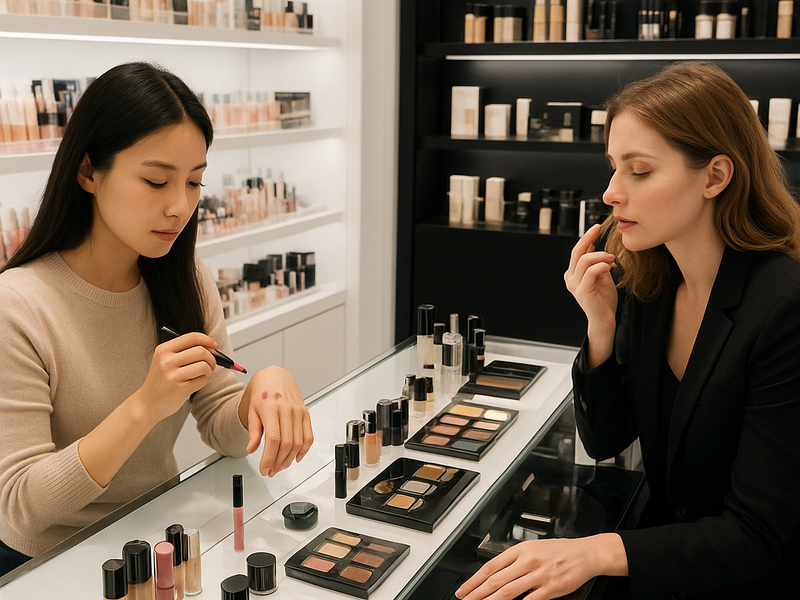
Shopping experience and loyalty programs can shift the value proposition. Large retailers like Ulta offer multi-brand coverage under one roof, with rewards that apply to both drugstore and prestige products. Sephora is famous for its generous samples, in-store shade testing, and extensive online tools that help you compare finishes and undertones. Online lookups, virtual try-ons, and shade finders are common across both segments, but the quality and depth of support can differ. In-store testers, lighting, and the ability to try shades on your own skin remain decisive advantages for many buyers. Returns policies also influence value: prestige brands and retailers often provide flexible return options for shade issues or dissatisfaction, which can soften the sticker shock of trying a new luxury product.

How to shop smart across both worlds - Know your skin type and goals. Do you need long wear for an all-day office look, or a lighter, more natural finish for daily life? The answer will guide you toward the right formula, finish, and coverage. - Match shade in natural light. Never rely on store lighting alone. Bring your current foundation or a neutral swatch and compare against your neck and jawline in daylight if possible. - Test wear time and comfort. If you can, apply a small patch on your face for a day. Some drugstore foundations wear better with moisturizer or primer, and some prestige formulas glide on with minimal effort. - Leverage samples and mini sizes. If a full size is pricey, opt for samples or minis to evaluate wear and color in your routine. This is a practical approach to price-per-use evaluation. - Compare total value, not price alone. Consider the amount of product, packaging quality, applicator design, and the convenience of purchasing through your preferred retailer. - Use shade-matching tools and reviews. Look for user photos that resemble your skin tone, and read reviews that mention undertones and application habits similar to yours.

Some practical brand-and-retailer references - Drugstore favorites to consider include Maybelline Fit Me Foundation for a widely praised shade range and reliable wear, e.l.f. Camo Concealer for coverage and price, and NYX Professional Makeup palettes for versatile color options. Milani and Revlon are also strong contenders for everyday looks with compelling value. - Prestige options that consistently draw attention include Chanel Ultra Le Teint or Dior Forever foundations for a polished finish, Charlotte Tilbury Airbrush Flawless Foundation for a skin-perfecting feel, YSL Beauty products for refined color and textures, and Giorgio Armani Beauty for luxurious formulations. Online retailers like Sephora, Ulta, Cult Beauty, Lookfantastic, and Dermstore are excellent places to compare options side by side and take advantage of shade finders, samples, and reviews.

In the end, the line between drugstore and luxury makeup is not a hard boundary but a spectrum of choices shaped by your budget, handling preference, and what your skin loves. There are gems in both camps, and many savvy shoppers mix and match: a dependable drugstore foundation for daily wear, a premium highlighter or contour kit for special occasions, and a few go-to products from prestige lines that suit more demanding tasks. The most important rule is simple: testers in natural light, honest reviews, and a clear sense of what you want from your makeup routine will guide you to the best value for your face.

← Back to all articles