
Home Workout Routine: No Equipment, Real Results
Article
2026-01-26 • 5 min read

Home Workout Routine: No Equipment, Real Results

Transforming your body at home without equipment is not only possible but practical when you follow a plan that emphasizes quality movements, consistency, and progressive overload. Real results come from how you train as much as from what you train with. A ...

Transforming your body at home without equipment is not only possible but practical when you follow a plan that emphasizes quality movements, consistency, and progressive overload. Real results come from how you train as much as from what you train with. A well designed no equipment routine taps into your body weight to build strength, endurance, mobility, and confidence. The goal is to move with control, push your limits gradually, and recover wisely. You do not need fancy gear to change how you look and feel; you need a clear plan and steady commitment.

A solid no equipment workout rests on a few simple pillars. First, it should hit all major muscle groups across the week, not just the parts you enjoy. Second, it should include movements that train both strength and cardio to boost metabolism and heart health. Third, it must offer progression so that you stay challenged as you grow stronger. And finally, it should be sustainable, meaning workouts that fit into your life, even when you’re busy or traveling.

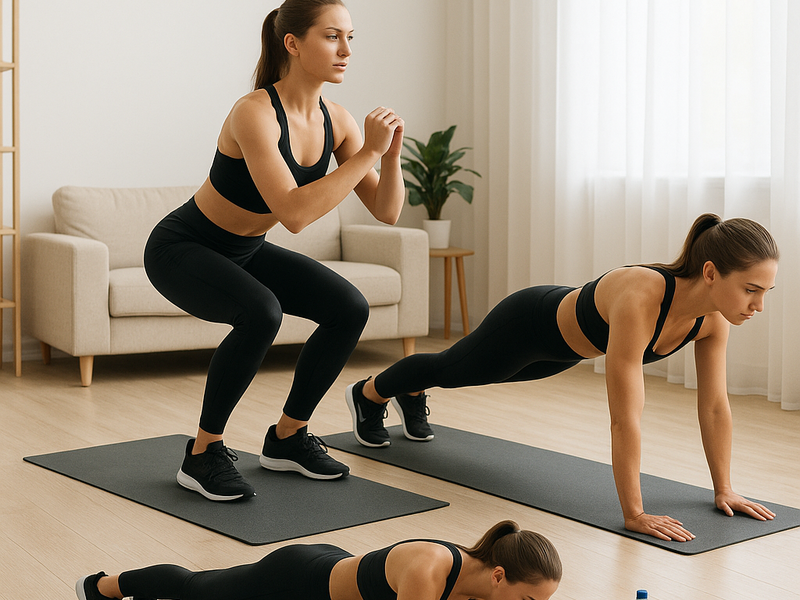
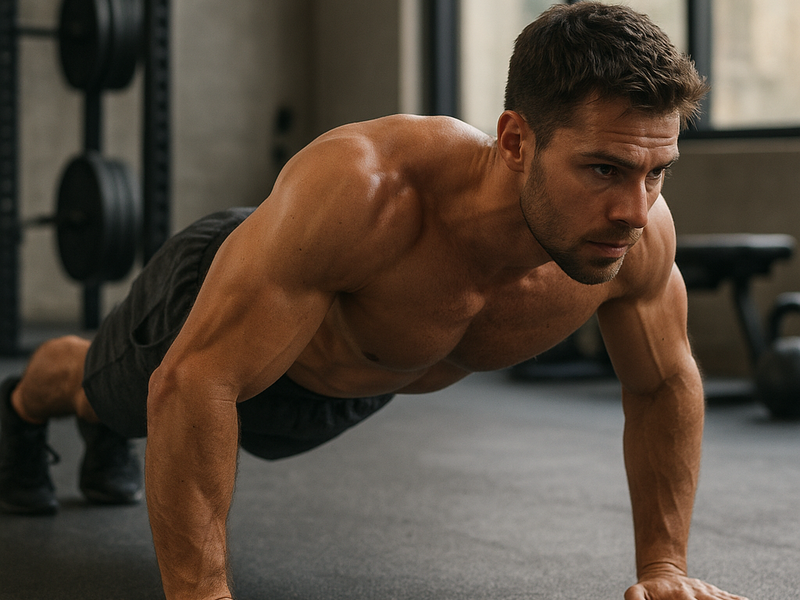
If you’re building your routine from scratch, start with the eight to twelve most effective bodyweight exercises. Classic options include push ups for upper body and core, squats and lunges for legs, glute bridges or hip thrusts for posterior chain, planks for core stability, mountain climbers for a cardio boost, and dips using a sturdy chair for triceps and chest. To avoid overuse, mix in pulling motions like inverted rows if you have a bar nearby, or substitute with superman holds or reverse planks. Rotate these exercises into a circuit format: perform one set of each exercise with short rests, then repeat for several rounds. If you’re new to this, begin with shorter circuits and gradually add rounds as your fitness improves.

A practical weekly structure is easy to tailor. Aim for three full body sessions per week on nonconsecutive days. Each session can be built around a circuit of five to eight movements, lasting twenty to thirty minutes. Start with a warm up that raises your heart rate and primes your joints: leg swings, arm circles, hip circles, light marching or jogging in place. Then your circuit, something like a push up, bodyweight squat, bicycle crunch, glute bridge, alternating forward l lunge, plank, and a burpee or two if you’re up for it. Finish with a short cooldown and stretch targeted at the muscle groups you worked. As weeks pass, increase the number of rounds, add ten to twenty seconds of work per exercise, reduce rest slightly, or swap in more challenging variations such as decline push ups, pistol squat progressions, or side planks.
Home Workout Routine: No Equipment, Real Results

To keep progress measurable, maintain a simple log. Note the date, the exercises you performed, the number of rounds, total work time, and how you felt afterward. Look for clear signs of progression: you can complete more rounds, you perform movements with better form, you experience less fatigue between sets, and you can hold a plank longer or complete more reps during a given interval. If you hit a plateau, adjust one variable at a time: increase repetitions, shorten rest, slow down tempo to emphasize control, or swap a basic exercise for a more demanding version. This approach ensures you keep making gains without needing access to a gym.

Beyond the routine itself, several platforms provide ready made no equipment programs or guide you to build your own. If you want tested frameworks, consider platforms that specialize in bodyweight training or offer flexible digital programs. Nike Training Club is one widely used option that provides an extensive library of workouts focused on bodyweight training and mobility. Darebee offers a vast catalog of visual workouts and structured programs that you can print or view online, which is excellent for keeping a written plan handy. Freeletics leans into intelligent coaching with personalized bodyweight workouts that adapt to your progress, though it operates on a subscription model. Madbarz hosts community driven programs and workouts designed for bodyweight progressions and is strong for those who like a social angle. Beachbody On Demand presents professionally produced programs that include no equipment options or minimalist routines, but it is a paid service with a wide library. Daily Burn adds streaming workouts across styles, usually with a subscription, and many routines emphasize bodyweight options. For free, accessible resources, Fitness Blender and other YouTube channels offer solid bodyweight routines with clear instruction and regular updates.

Choosing among these platforms depends on what you want from a program. If you prefer a free, no friction start, Darebee and Fitness Blender are excellent choices with generous catalogs and printable guides. If you want a personalized progression that adapts to your performance, Freeletics can be compelling, while Madbarz suits those who enjoy structured plans and a community atmosphere. If you want an all in one paid subscription with a curated library and athlete style programs, Beachbody On Demand and Daily Burn can deliver a broad range of workouts including no equipment options. Nike Training Club remains a strong option for quality instructional videos and structured workouts you can filter by duration and focus. Explore a couple of these to see which interface you prefer, how the workouts feel with your body, and whether you like the way the progress is tracked.

No equipment routines don’t require perfection to start. Begin with a few basic movements, and use the momentum of consistency to push into more challenging progressions. If you are pressed for time, a twenty minute circuit is enough to spark change; if you have more time, add a longer mobility or core emphasis on lighter days to complement your strength work. Remember to prioritize form over speed. Poor technique will derail progress and increase injury risk. If you keep form tight, increase the duration of holds, slow down reps to maximize tension, and stay mindful of breathing—exhale through effort and inhale during the easier phases of each movement.

Finally, cap your plan with smart recovery. Adequate sleep, balanced meals, and hydration are essential allies to a no equipment program. Include mobility work and stretching on rest days to improve flexibility, reduce stiffness, and help prevent injuries as you push your limits. A sustainable approach is better than a short burst of intensity followed by a long break. Real results arrive when dedication meets structure, and the privacy of your own space becomes a canvas for consistent progress. With the right routine, accessible platforms, and a patient mindset, you can build strength, endurance, and confidence without ever stepping into a gym.

← Back to all articles