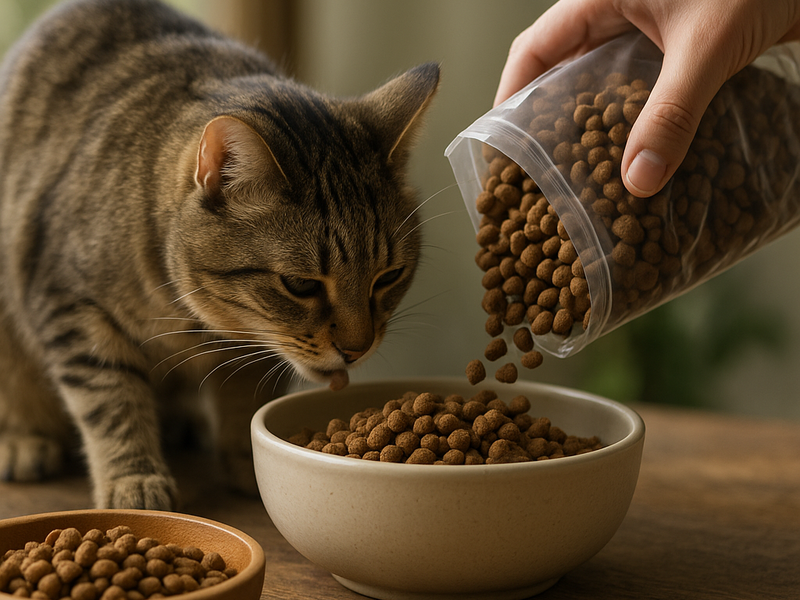
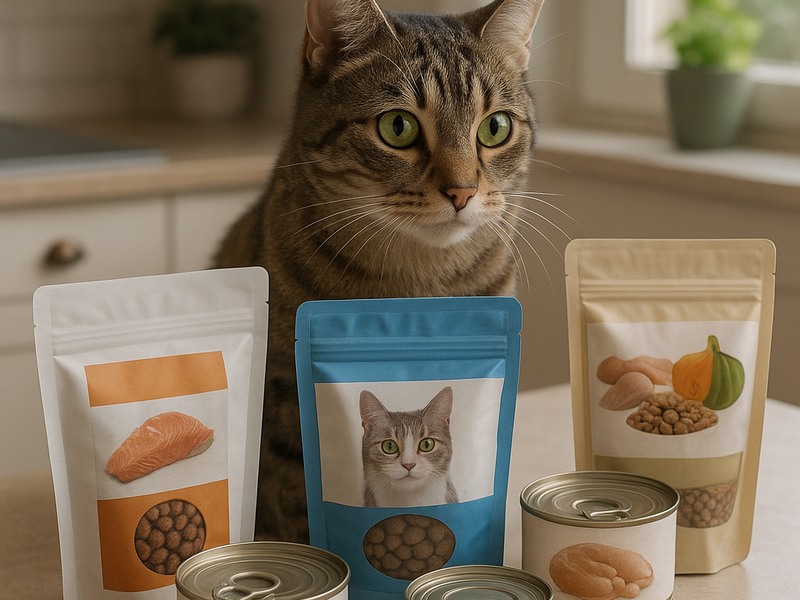
Choosing the best food for your cat can feel overwhelming with the sheer number of options on shelves and online. The goal of this simple guide is to give you a clear, practical framework so you can confidently pick a diet that supports your cat’s health, energy, and happiness without getting lost in marketing claims. Think of it as a decision checklist rather than a single perfect label. Start with your cat’s needs, then compare products side by side, and finish with a careful transition plan that respects your cat’s palate.
First, understand the big choices. Most cat owners choose between dry kibble, wet food, or a mix of both. Dry kibble is convenient, can help with dental maintenance in some cats, and often costs less per serving. Wet food delivers moisture that supports hydration, which is especially important for cats prone to urinary issues or those who drink little water. Some cats relish variety, while others prefer a single texture. There are also more specialized options such as recipes designed for weight management, indoor cats, or sensitive stomachs. There are debates about raw diets, freeze dried options, and grain free formulas; these can be appropriate in certain circumstances but require careful sourcing and veterinary guidance to ensure complete and balanced nutrition. The safest path is to choose a product pitched as complete and balanced for the cat’s life stage, and to monitor your cat’s response over time.
Key factors to check on the label go beyond taste. Look for an AAFCO statement that the formula provides complete and balanced nutrition for the cat’s life stage, whether kitten, adult, or senior. Review the guaranteed analysis for protein, fat, and carbohydrate levels, but remember these numbers don’t tell the whole story about quality. The ingredient list matters more than it appears at first glance. A high quality animal protein should appear near the top of the list, with fewer fillers and by products. Be cautious about vague terms such as by products, fillers like corn or wheat gluten, artificial colors, or artificial flavors. While these aren’t inherently harmful in every case, they can indicate lower overall ingredient quality or a product designed to lower production costs rather than support health.
When you compare top brands, you’ll notice differences in focus, price, and availability. Brands like Purina Pro Plan and Hill’s Science Diet are widely available in grocery stores, pharmacies, and major retailers. They offer a broad range of formulas that address life stage, weight management, and common health concerns, with predictable quality and nutrition that veterinarians frequently recommend. Royal Canin is another staple in clinics and stores, known for extensive life stage, breed, and medical condition specific formulas. These brands tend to be accessible, with frequent discounts and retailer partnerships, but some cats may not respond well to certain recipes, and price points can be higher for specialized lines.