How to Make Your Home Look Expensive on a Budget
Creating a space that feels refined and high end does not require a king’s ransom. The secret is less about buying the most expensive pieces and more about thinking like a designer: cohesion, proportion, and texture elevate even modest items. With a thoughtful approach to color, lighting, fabrics, and a few strategic purchases, you can transform a room into something you’d be proud to show off—without breaking the bank.
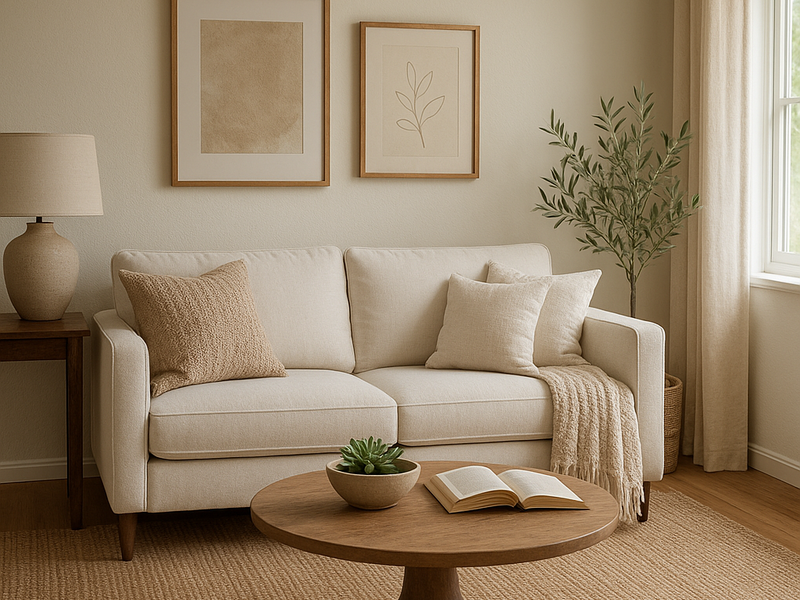
Start with a calm, cohesive palette. Expensive interiors often hinge on a restrained color story. Choose a neutral base—creamy whites, warm beiges, or cool greys—and add one or two accent colors that feel luxe, such as deep navy, charcoal, or earthy green. The goal is harmony, not contrast. If your walls are a cool grey, lean into warm woods and soft textiles to avoid a flat look. Clean lines and consistent finishes unify the space. A single, well-chosen accent color should appear in a few accessories, a throw, and a rug, so the room reads as intentional rather than patched together.
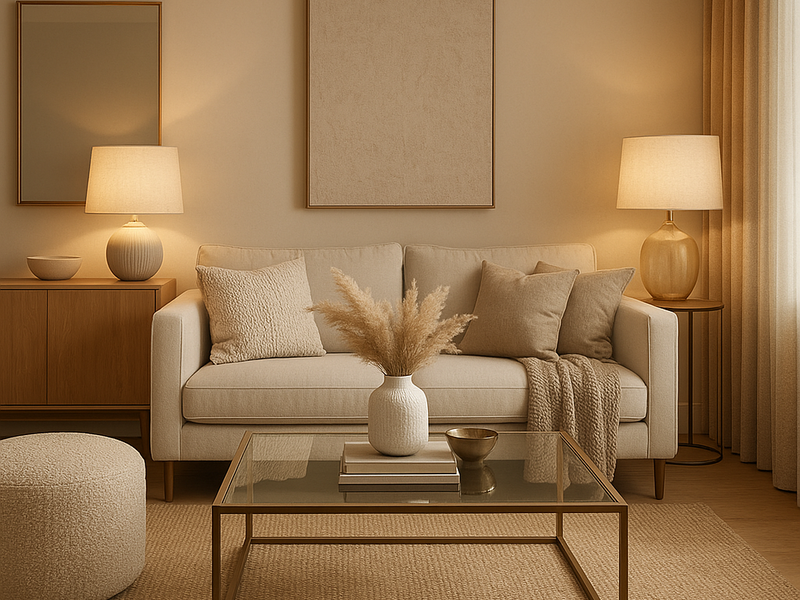
Texture is king. The eye measures perceived value as much by surface richness as by hue. Layer materials with varying textures: a wool or bouclé throw, linen drapes, a velvet cushion, a jute or wool rug, and a surfaces mix like glass, brass, and dark wood. Mix matte with a touch of sheen to catch the light without shouting attention. Even if you keep your core furniture inexpensive, textured elements elevate the overall feel. For instance, swap a plain cotton pillow for a textured velvet or boucle cover, or place a rug with a soft, dense pile under a dining table to anchor the space.
Lighting creates atmosphere and depth. A well lit room instantly reads more expensive. Prioritize three layers: ambient (ceiling or floor lamps), task (reading lamps or wall sconces), and accent (candles or small uplights). Warmer bulbs (in the range of 2700 to 3000 kelvin) mimic natural daylight’s warmth and feel more inviting than cool blue light. Dimmers allow you to shift the mood from bright daytime to intimate evenings. If you can only afford one upgrade, start with a striking floor lamp or a pair of table lamps that flank a sofa or console. The reflected light in a mirror or glass coffee table also expands the sense of space.
Mirrors and reflective surfaces create depth. A large mirror not only makes a room feel bigger but also amplifies light, giving the impression of higher ceilings and a curated finish. Place a mirror opposite a light source or near a window to bounce daylight around the room. Choose frames in simple metals, blacks, or warm woods to keep the look cohesive with the rest of your palette. Even a smaller decorative mirror can act as a focal point if positioned thoughtfully, such as above a console with a few carefully chosen accessories.
Furniture with proper scale matters as much as price. A room looks expensive when the proportions feel right. Start with one anchor piece—a sofa or bed of comfortable depth and clean silhouette. Add a couple of mid sized items and avoid crowding. For those on a tight budget, consider purchasing secondhand or outlet pieces that can be refreshed with new upholstery, paint, or new hardware. If your sofa is a bargain buy, balance the room with a larger rug, substantial lighting, and expressive accessories to elevate the perceived value.