
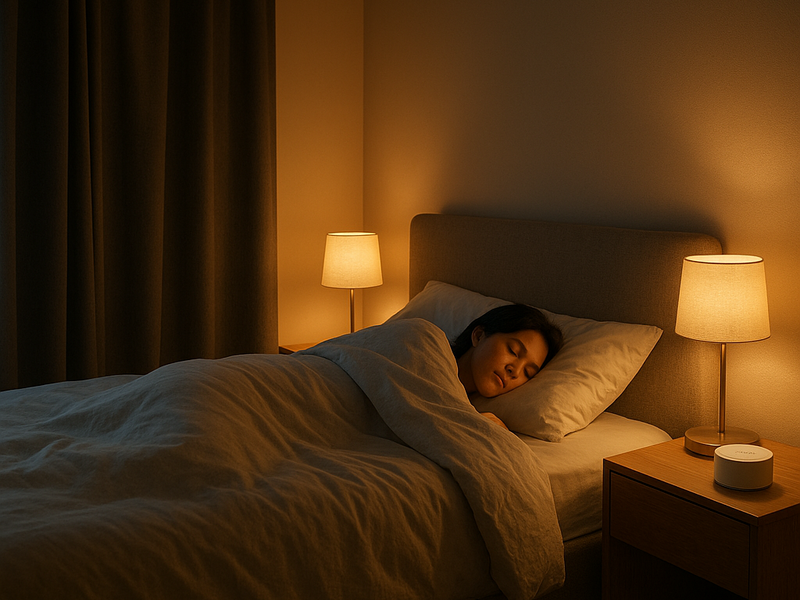
Sleep improves when you align your routine with how your body clock works. The idea is simple in concept, but the science behind it is concrete: predictable patterns, a serene environment, and deliberate choices in the hours before bed can dramatically reduce time to fall asleep and improve how you feel when you wake. Below are twelve science backed tips you can put into practice tonight, along with practical steps to make them work for you. If you want extra help, I also compare popular sleep tools and how they can support these habits.
Tip one establish a consistent schedule. Your body thrives on regularity, even on weekends. A stable wake time anchors your circadian rhythm, making it easier to fall asleep and wake up with less grogginess. How to do it tonight: pick a wake time you can keep, set a polite reminder to start your wind down as the clock approaches your target bedtime, and adjust gradually by fifteen minute increments if your current routine is far off. Consistency compounds over days to produce clearer sleep signals for your brain.
Tip two create a wind down routine. A calming sequence signals your brain that sleep is approaching. Begin with low light, gentle stretching, or a brief journaling session to offload thoughts from the day. Avoid intense activity and harsh screens in the last hour. How to implement: dim the lights, sip a warm non caffeinated drink, read a calm book, and write down one or two tasks for tomorrow to quiet the mind.
Tip three optimize your sleep environment. A cool, dark, quiet room supports deeper sleep. Aim for a temperature that feels comfortable and a bed that feels inviting. If noise is a problem, consider earplugs or a white noise machine. If light leaks in, blackout curtains or an eye mask can help. How to do it: measure or estimate the room temperature, adjust blankets to balance warmth and breathability, and create a dedicated sleep space free from work or study materials.
Tip four limit screen time and blue light. Screens delay melatonin production and can fragment sleep. The simplest strategy is to set a digital curfew. How to apply: enable a warm or night mode on devices well before bed, switch off nonessential screens, and use a small, dedicated lamp for reading rather than a bright overhead light.
Tip five watch caffeine and alcohol intake. Caffeine can linger for hours, while alcohol may help you fall asleep but disrupts sleep cycles later in the night. Plan ahead: avoid caffeine after early afternoon and limit alcoholic drinks in the evening. If you do indulge, pair it with extra hydration and allow more time before lying down.
Tip six schedule daytime exercise, but not too late. Regular movement supports sleep quality, yet vigorous workouts should not happen right before bed. How to optimize: aim for activity mid to late afternoon, finish strenuous routines at least a few hours before bed, and consider a brief stretching or yoga sequence in the wind down period.