
How to Stop Common Pet Behavior Problems (Without Stress)
Article
2026-01-26 • 6 min read

How to Stop Common Pet Behavior Problems (Without Stress)

How to Stop Common Pet Behavior Problems Without Stress is a topic that resonates with many pet owners. The goal is to reduce problem behaviors while keeping your relationship with your animal companion calm, confident, and enjoyable. This approach centers ...

How to Stop Common Pet Behavior Problems Without Stress is a topic that resonates with many pet owners. The goal is to reduce problem behaviors while keeping your relationship with your animal companion calm, confident, and enjoyable. This approach centers on understanding triggers, using humane training methods, and creating routines that support your pet’s emotional well-being. Below you’ll find practical guidance, a quick landscape of reputable providers you can consider, and a clear plan to apply these ideas in your daily life.

First, what does it mean to address behavior without stress? It means relying on science-based, reward-focused strategies rather than punishment or coercion. Stress-free progress comes from three pillars: prevention, positive reinforcement, and environmental management. Prevention means giving your pet outlets for energy and mental engagement before problems arise. Positive reinforcement means rewarding the exact behavior you want to see more of, so good choices become a habit. Environmental management means shaping the home and daily routine so your pet isn’t put in situations where misbehavior is likely to occur. When these pillars are combined, even stubborn or anxious behaviors can improve over time without creating fear or frustration for you or your pet.

If you’re looking for guidance from established providers, here is a snapshot of widely available options and what they emphasize. These aren’t endorsements, but practical references to how owners commonly access training or behavior support.

- PetSmart Training: PetSmart offers in-store classes and private sessions designed to use positive reinforcement. The benefit is convenience and access to a broad network of trainers who follow consistent curricula. The downside can be larger class sizes and varying trainer experience across locations, so it’s wise to ask about methods and watch a session if possible.

- Bark Busters: Known for in-home sessions, Bark Busters emphasizes behavior modification in the pet’s own environment. Their approach typically focuses on communication with the dog and practical, real-life coaching. The strength here is personalized, distraction-rich training; the potential drawback is higher cost and sometimes longer schedules due to travel.

- American Kennel Club and AKC Resources: The AKC provides a reputable hub of training tips, articles, and event listings, with guidance grounded in veterinary and behavior science. It’s a solid starting point for learning fundamentals, identifying what questions to ask, and finding qualified trainers who align with positive, humane methods.

- Victoria Stilwell’s Positively (positively.com): Victoria Stilwell advocates stress-free, reward-based training and provides online resources, videos, and courses. This option tends to focus on clear, gentle communication and building a trusting bond with your dog or cat. It’s particularly useful for owners who prefer at-home learning.

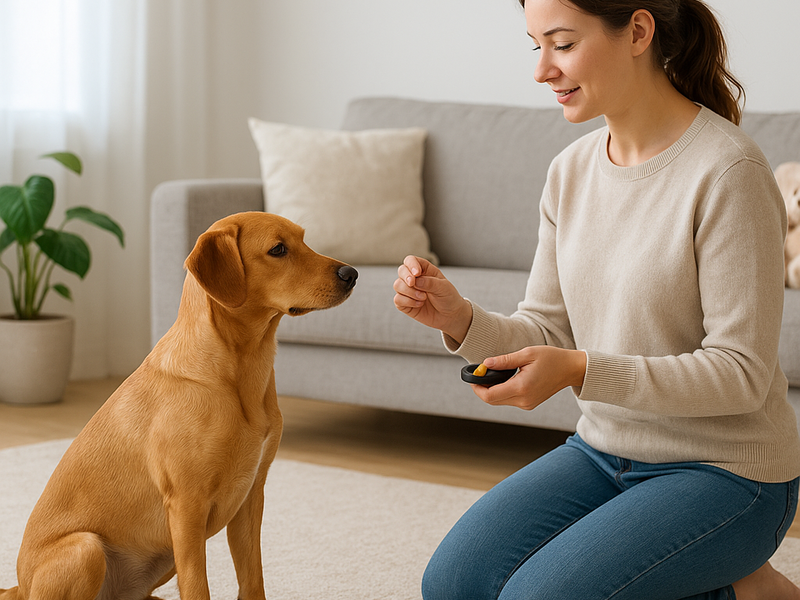
- Karen Pryor Clicker Training and related resources: Clicker training is a well-established technique for teaching new behaviors through precise timing of rewards. If you enjoy structured, science-based methods, this path can be very effective. It requires some equipment like a clicker and tasty rewards, but it scales well from dogs to other pets.

How to Stop Common Pet Behavior Problems (Without Stress)

- Cesar Millan and Cesar’s Way: A widely known name in dog training with a blend of philosophy and practical guidance. It can be useful for understanding leadership concepts and establishing calm routines, but some of the public discussions have sparked debate about differing modern perspectives on training.

Relevant to stopping behavior problems without stress, here is a practical, step-by-step plan you can start using today. It blends what you might learn from these providers with hands-on execution you can apply at home.

1) Start with an honest assessment and a simple plan - Observe triggers: note what happens before a problem behavior occurs. Does your dog bark at the door when the mail arrives? Does your cat scratch the sofa after you leave the room? - Set a measurable goal: for example, “no barking when the doorbell rings, and we’ll reward quiet within a few seconds.” - Create a predictable routine: regular exercise, short training sessions, play, and quiet time. A stable day reduces anxiety-driven behaviors.

2) Build a strong foundation with positive reinforcement - Choose clear cues and rewards: decide on a cue such as “sit” or “place,” and reward with a bite-sized treat or praise when the dog complies. - Keep sessions short and frequent: a few minutes several times a day beats long, sporadic sessions. - Reward the quiet alternative: if your dog barks at visitors, reward when the dog remains calm; use a “quiet” cue and mark the moment of calm with a treat.

3) Manage the environment to prevent problems - Use barriers and gates to limit access to temptations during training. - Provide enrichment: puzzle toys, scent-work games, and rotation of toys to channel energy into constructive activities. - Create a safe space: a crate or a designated quiet area where your pet can retreat without punishment.

4) Target common problems with stress-free strategies - Barking or excessive vocalization: teach a cue for quiet, pair it with a treat, and gradually extend the time you expect quiet before rewarding. Reduce external triggers by using window treatments or white noise during difficult periods. - Chewing inappropriately: supply appropriate chew items and rotate them; supervise and redirect to approved objects; crate when unsupervised to prevent reinforcement of chewing. - Jumping on people: teach a preferred behavior such as sitting and staying on the floor; reward only when all four paws are on the ground and the person approaches calmly. - House training and accidents: maintain a consistent potty schedule, supervise closely, and reward success promptly. If accidents happen, clean with an enzymatic cleaner to remove scent cues that invite repeats. - Leash pulling: practice loose-leash walking using a gentle leash handling technique; stop moving when tension appears and resume once the leash is slack, pairing the moment with a treat for correct walking. - Resource guarding: avoid confrontations; consult a professional if guarding is evident. Start with desensitization to close presence of others near food or toys, under expert guidance.

5) Know when to seek expert help - If a behavior is severe or escalating, or if there are signs of anxiety, fear, or aggression that you can’t manage safely, consult a veterinary behaviorist or a certified professional who uses positive, science-based methods. A professional can tailor a plan to your pet’s specific needs and monitor progress.

In practice, the best results come from combining consistent routines, humane training techniques, and supportive veterinary or behavior guidance when needed. While there are many reputable providers with different strengths, the underlying principle remains the same: behavior changes are most durable and least stressful when built on clear communication, timely rewards, and a calm, structured environment. With patience and care, you can reduce common behavior problems—and most importantly, strengthen the trust and joy you share with your pet.

← Back to all articles