
iPhone vs Android in 2026: Which One Should You Buy?
Article
2026-01-26 • 5 min read

iPhone vs Android in 2026: Which One Should You Buy?

iPhone vs Android in 2026: Which One Should You Buy?

iPhone vs Android in 2026: Which One Should You Buy?

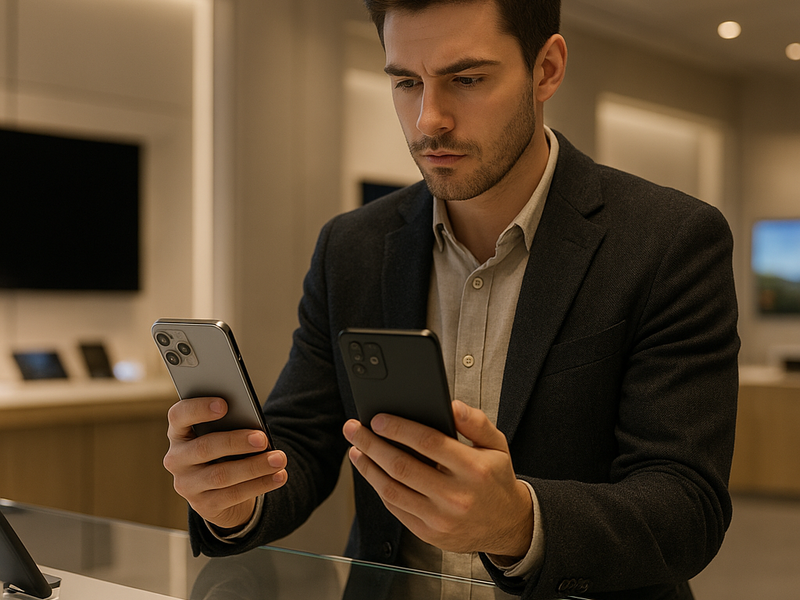
Choosing a smartphone in twenty twenty six is less about chasing the latest hardware and more about aligning a device with your daily habits, your priority features, and your long term plans. If you walk into a store today or browse online, you will encounter two dominant families: iPhone and a broad spectrum of Android phones. Each side has matured into a complete ecosystem that extends far beyond a single handset, shaping everything from app availability to payment methods, cloud storage, and even how you recover after a break in screen time. In 2026 the question still isn’t simply “which is better,” but rather “which one fits your routine, your data preferences, and your long term expectations for upgrades.”

On the software side, Apple’s iPhone and Google’s Android present two fundamentally different philosophies. iOS prioritizes uniformity, privacy protections, and a finely tuned handoff across devices. Apps tend to behave consistently, updates arrive for all supported devices at roughly the same time, and security features are deeply integrated into the system. Android, by contrast, offers broad customization, more hardware variety, and faster experimentation. It lets manufacturers push new features, tweak the user interface, and experiment with device-specific capabilities. In practice this means iPhone users often enjoy a cohesive experience with a strong emphasis on privacy, while Android users benefit from flexibility, a wider range of device choices, and opportunities to tailor the interface to personal preferences.

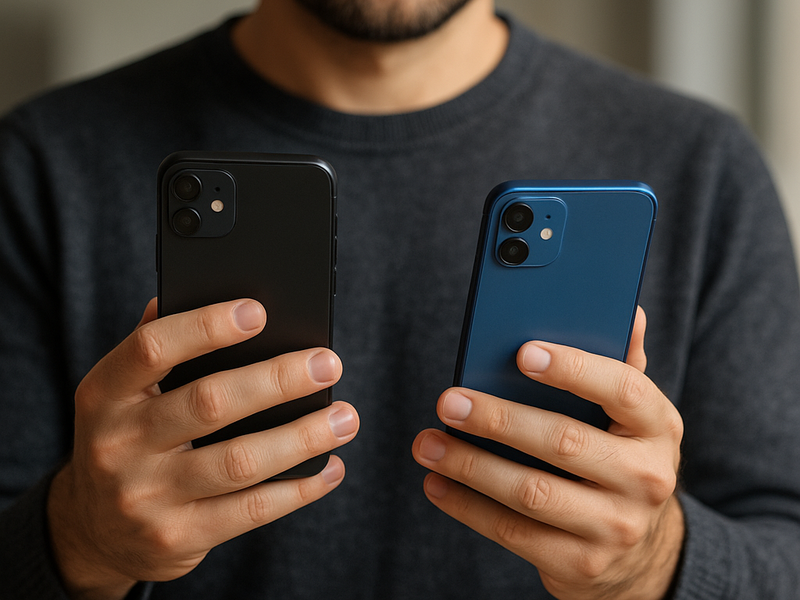
Hardware quality and features vary more widely in the Android space than in the iPhone line. Apple generally releases a smaller number of devices, each crafted with premium materials and a consistent design language. Android devices range from compact flagships to large, rugged or ultra budget friendly models, with a spectrum of camera setups, display types, and battery capacities. If you care about the absolute best single shot in low light, Apple’s color science and video features are strong contenders; if you want a specialized screen, a higher refresh rate, or a unique camera module, you’ll find Android partners that push those boundaries. Battery life frequently hinges on software optimization and chip efficiency, which Apple has historically controlled tightly, whereas Android devices blur the line with variable software support across brands and devices.

Software updates are a practical, day to day consideration. iPhone devices typically receive longer, more uniform software support, which means five to seven years of major updates is not unusual. Android update timelines are more variable, often dictated by device maker and carrier, though the leading Android players have narrowed the gap in recent years. Pixel devices from Google tend to lead for timely updates within the Android ecosystem, while Samsung has become a strong performer by delivering longer support for its high end lines. If you keep devices for many years, the update policy may be a decisive factor in your choice.
iPhone vs Android in 2026: Which One Should You Buy?

Camera, performance, and multimedia are still central to the buying decision, but the emphasis shifts with your priorities. iPhone cameras excel in color consistency, streaming quality, and video work, delivering reliable results with minimal tweaking. Android devices often offer more versatility in hardware options—periscope zooms, multiple lenses, higher resolution sensors, or specialized modes—letting you tailor camera performance to different kinds of shots. For music, gaming, and productivity, both ecosystems provide competitive performance; the choice may come down to whether you prefer a stronger software suite and seamless cross device features (such as cloud notes, health data, and payments) or a broader hardware lineup and more aggressive customization.

The ecosystems around the devices are a major differentiator in 2026. Apple’s ecosystem includes iCloud, Apple Pay, iMessage, AirDrop, and cross device continuity that makes moving between devices near effortless. Android players rely on Google’s services, which are ubiquitous across platforms, plus a wider assortment of third party apps and integrations. If you own multiple devices—an iPad, a Mac, or an Apple Watch—the pull of the iPhone becomes more evident; if you value cross platform flexibility, compatibility with diverse accessories, and customizable workflows, Android’s hybrid environment may be more appealing. Payment options, health tracking, smart home integration, and even privacy controls are now deeply woven into both ecosystems, so your daily life might not hinge on a single feature but rather on how well the entire system serves you.

Where to buy matters as much as what you buy. Official stores like Apple’s online and retail locations, Google’s store, and Samsung’s official shop offer the latest devices with reliable warranties and clear trade in programs. Carrier stores and regional electronics retailers provide convenient setups, financing options, and sometimes exclusive colorways or promotions. E commerce platforms such as Amazon and major retailers can also be convenient for bundles, refurbished units, and faster delivery. If you want to maximize value, consider trade in or carrier promotions, even if that means choosing a slightly different model or color. Reading the fine print on guarantees, extended warranty options, and return policies is time well spent.

How to decide and how to buy comes down to your priorities. Start with a short list of must have features: camera quality, software updates, battery life, ecosystem compatibility, and price. If you lean toward a consistent user experience with long term updates and a strong privacy stance, the iPhone route is compelling. If you crave tailored hardware choices, quick feature experimentation, and deep integration with Google services, Android offers unmatched flexibility. Trade in an older device to offset the cost; check carrier plans for bundles that include accessories or protection plans; and don’t overlook accessories such as fast chargers, cases, and screen protectors that can add real value over the device’s life.

Finally, plan for data migration and setup. For iPhone users, Apple’s migration tools make moving contacts, photos, and messages straightforward. Android users usually rely on Google’s backup options and manufacturer specific tools to transfer data. Regardless of platform, back up your data before switching and set up your new device with essential apps and services. In 2026 the best choice remains the one that best fits your daily rhythm, protects your privacy the way you prefer, and keeps you productive without friction. Both iPhone and Android are capable to serve as your daily driver for years to come; your decision is really about ecosystem fit, upgrade plans, and how you want your digital life to flow.

← Back to all articles