Must-Have Pet Products for First-Time Dog Owners
Bringing a new puppy or rescue dog home is one of life’s bright moments, but it also comes with practical decisions that can feel overwhelming. The goal is to create a calm, safe environment that supports training, health, and long companionship. The right gear helps you focus on bonding with your new family member rather than scrambling for supplies after the first night. Start with a core kit that covers housing, safety, feeding, grooming, enrichment, and travel, then layer in extras as you learn your dog’s personality and needs.
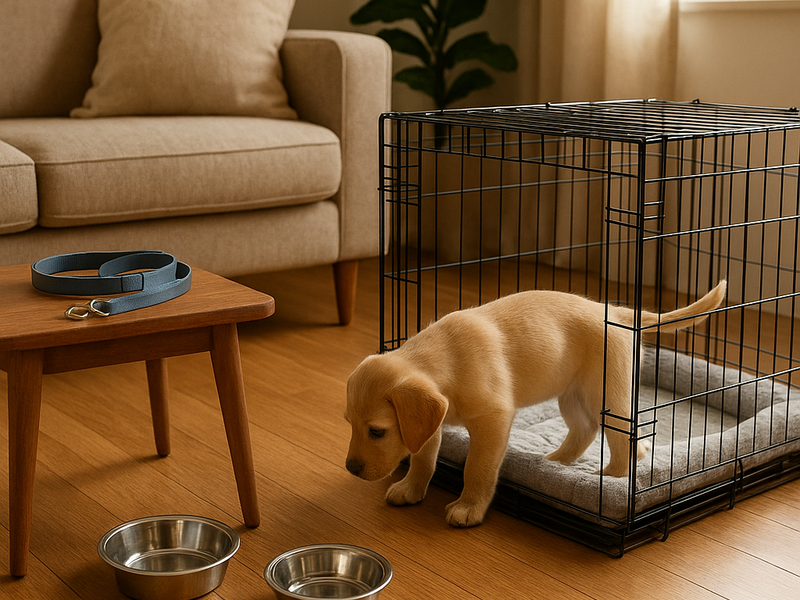
Begin with a solid housing plan. A crate is more than a kennel; it’s a safe den that can aid crate training and house training when used correctly. Choose a crate that allows your dog to stand, turn around, and lie down comfortably, and consider a divider for growing puppies so the space isn’t too large. Pair the crate with a cozy, washable bed and a slip-resistant mat. Bedding should be easy to clean, and the crate should be placed in a common area where your dog can observe family life. This setup pays dividends for sleep schedules, separation anxiety, and overall security.
Next, select collars, leashes, and identification that fit your dog now and as they grow. A well-fitted flat collar with an adjustable buckle, a sturdy leash, and an ID tag are non-negotiable. Many owners opt for a harness in addition to a collar to reduce strain on small dogs’ necks or dogs that tend to pull. Reflective stitching or elements are a smart safety feature for evening walks. Ensure the ID tag includes a current phone number and, if possible, consider microchipping as an extra safety layer.
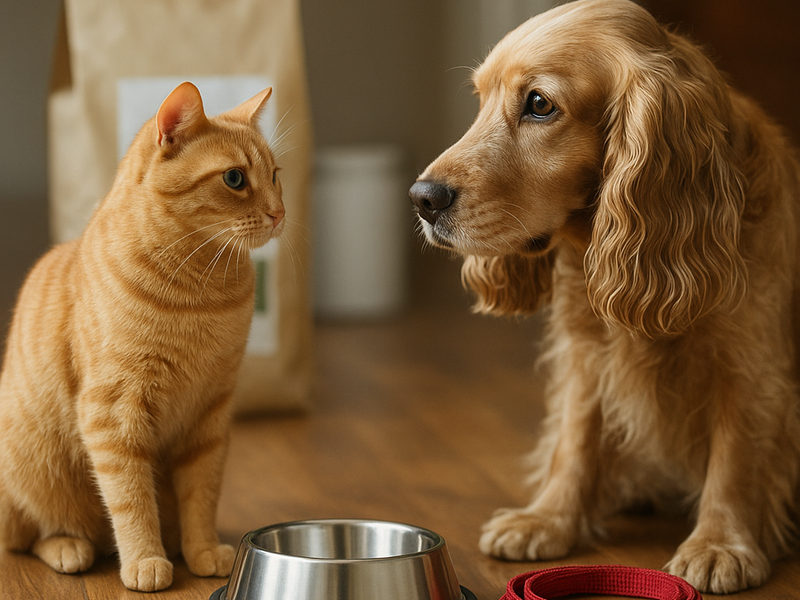
Food and water arrangements are critical. Durable, non-slip bowls prevent tipping, and stainless steel or ceramic bowls are easy to clean and retain less odor than plastic. If you can, set up a water fountain to encourage hydration, especially in hot weather or after exercise. For feeding, start with a high-quality dog food appropriate for your dog’s age, size, and energy level, and transition gradually if you switch brands. Consult a veterinarian about portions and schedules, and keep a simple routine to support digestion and predictable potty times.
Grooming and hygiene are often underestimated but pay dividends for comfort and health. A basic grooming kit should include a dog brush suitable for your dog’s coat, nail clippers, toothbrush, and dog toothpaste. Depending on your dog’s coat and ears, you may add a gentle shampoo, ear cleaner, and dental chews. Regular brushing reduces shedding, prevents matting, and builds positive associations with care time.
Toys and enrichment are essential for mental stimulation and to burn energy in a constructive way. Durable chew toys, puzzle toys that slowly release treats, and a few fetch toys will help prevent destructive behaviors and support training. Rotate toys to keep your dog interested, and always supervise play to prevent choking hazards or ingesting unsafe materials.
Cleaning supplies and potty essentials save you from messy surprises. Enzymatic cleaners help remove odors from accidents, while waste bags and a small, portable “on the go” cleanup kit prepare you for outdoor adventures. A simple, well-stocked cleaning kit makes house training smoother and keeps your home welcoming.