
Smart Home Essentials: The Devices That Actually Make Life Easier
Article
2026-01-26 • 4 min read

Smart Home Essentials: The Devices That Actually Make Life Easier

Smart home technology has matured from novelty to practical daily helpers that genuinely simplify life. The most valuable devices save time, reduce routine friction, and run in the background so you can focus on people and tasks that matter. Rather than cha...

Smart home technology has matured from novelty to practical daily helpers that genuinely simplify life. The most valuable devices save time, reduce routine friction, and run in the background so you can focus on people and tasks that matter. Rather than chasing every new gadget, compartmentalized setups that emphasize reliable connectivity, solid automation, and straightforward control tend to deliver the best long term payoff. In this guide we focus on the essentials you can assemble across ecosystems to create a calmer, more efficient home.

Lighting is usually the easiest win. A solid smart lighting system can adjust brightness and color temperature to match the time of day, illuminate scenes for work or leisure, and wake you with a gentle routine. Options range from bulbs that work over wifi to those that rely on a hub for multi room control. Philips Hue remains a benchmark for reliability and color range; LIFX offers bright lights that pair directly with wifi; Wyze provides budget friendly choices for small starts. When choosing, weigh breadth of product lines, hub requirements, and how well the lights integrate with your voice assistant.

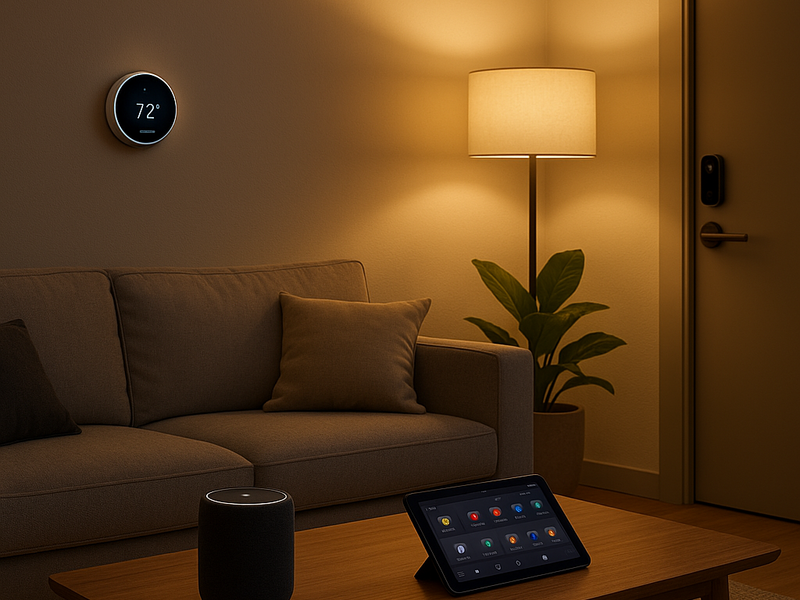
Thermostats and climate control deliver real comfort and savings. A good smart thermostat can learn patterns, adapt to occupancy, and trim energy use without sacrificing comfort. Ecobee, Nest, and Honeywell Home dominate the market. Ecobee shines with remote room sensors that help balance temperatures; Nest emphasizes learning and an intuitive app; Honeywell Home pairs well with older systems. Your choice should hinge on how much you value energy reports, geofencing, and the level of platform integration you want with other devices in your home.

Security and safety devices are equally practical. Smart cameras, doorbells, locks, and moisture sensors provide peace of mind and remote visibility. Ring and Nest Hello are popular doorbells with extensive app ecosystems; Arlo and Eufy offer alternatives with strong privacy options and local storage. Choose devices that support encryption, routine firmware updates, and easy access controls. For doors, smart locks from Schlage or August offer convenient entry without losing security, while ensuring you still have physical keys as a backup.
Smart Home Essentials: The Devices That Actually Make Life Easier

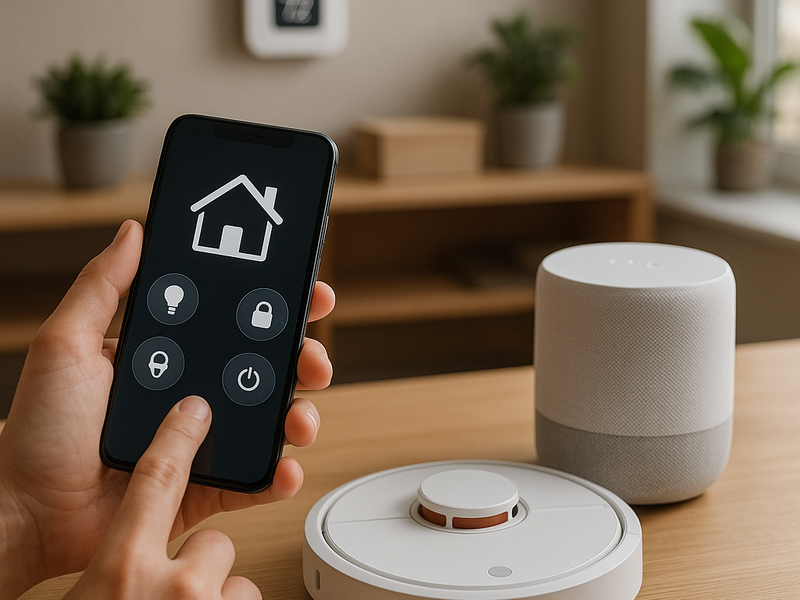
Finally, consider how you will coordinate devices. Some people stay within a single ecosystem such as Apple HomeKit which emphasizes privacy and simple control via HomePod or Apple TV. Others lean into Google or Amazon for broader device catalogs and voice control. Samsung SmartThings can act as a universal bridge for mixed brands. The right setup never feels forced; start with one room and one platform, then expand as you gain confidence and comfort with automations that truly save time.

How to start quickly and thoughtfully. Step one pick a primary use case like hands free lighting or a comfortable bedroom climate. Step two choose a main ecosystem and pair devices that fit that framework. Step three buy a small starter kit such as a few smart bulbs an energy efficient thermostat and a basic camera or door sensor. Step four install using the manufacturer apps and connect devices to your home network. Step five build a few simple routines such as turning lights on at dusk and lowering the thermostat overnight. Step six test and adjust until you feel in control rather than monitored.

Where to buy matters, and most retailers offer good options. Amazon carries a wide catalog and helpful customer reviews. Best Buy provides in store demos and installation services. Home Depot and Lowe’s stock a broad range of brands and sometimes bundle deals. Ikea offers affordable lighting and smart hubs that pair well with many ecosystems. Official stores from Philips Hue Ecobee Nest Ring and others can provide the latest models and guidance. With budget in mind start small and scale up as you experience reliable routines.

Tips to keep your system robust: ensure strong Wi Fi coverage with a mesh system, keep firmware up to date, and use unique passwords and two factor authentication where available. Label devices by room in the app to organize scenes, and design automations that have predictable outcomes. Avoid overcomplicating setups with too many automations that may conflict. Finally remember that privacy and security evolve, so review permissions and data sharing settings periodically.

Smart home essentials are not about chasing the latest gadget but building a quiet, dependable helper that fits your life. Start with a few reliable devices, pick a cohesive platform, and let the routines sharpen your daily rhythm. With thoughtful choices and a little patience you can enjoy more comfort, energy savings, and peace of mind every day.

← Back to all articles