

The Best Skincare Routine by Skin Type (Dry, Oily, Combination)
Article
2026-01-26 • 5 min read

The Best Skincare Routine by Skin Type (Dry, Oily, Combination)

The Best Skincare Routine by Skin Type is English by default and the language most readers expect for practical beauty guidance. This article walks through a practical, skin type oriented routine that emphasizes consistency, sensible layering, and choosing ...

The Best Skincare Routine by Skin Type is English by default and the language most readers expect for practical beauty guidance. This article walks through a practical, skin type oriented routine that emphasizes consistency, sensible layering, and choosing products that work with your skin rather than against it. The goal is honest results: healthier texture, balanced moisture, and reliable protection from daily environmental stressors. Whether you have dry, oily, or combination skin, the framework below helps you tailor a routine that stays comfortable through seasonal changes, stress, and busy days.

Dry skin benefits from gentleness and ongoing moisture. Start with a cleanser that respects the skin’s barrier rather than stripping it. Creamy formulas, milky cleansers, or gentle hydrators keep cheeks from feeling tight after washing. After cleansing, a hydrating serum—ideally containing hyaluronic acid or glycerin—plumps the surface and attracts moisture. This is followed by a richer moisturizer that seals in hydration; look for ceramides, fatty acids, and squalane as key components. If you have a flushed or flaky perimeter, a lightweight facial oil at night can help lock in moisture without feeling greasy. Sunscreen is essential every day, and for dry skin, many people prefer formulas with hydrating ingredients or mineral filters that glide on smoothly. Across reputable brands, you’ll find solid options at multiple price points, with CeraVe, La Roche-Posay, and Dermalogica offering accessible lines that emphasize barrier support. In practice, a dry-skin routine often looks like: gentle cleanse, hydrating serum, rich moisturizer, and sunscreen, with an optional overnight oil for extra nourishment.

Oily skin tends to benefit from balance rather than aggressive drying. The objective is to reduce excess shine and keep pores clear without triggering rebound oiliness. Begin with a clean, non stripping cleanser—many users gravitate toward foaming or gel textures that remove oil without over-drying. After cleansing, a lightweight serum containing niacinamide can help regulate sebum production and improve texture, while a water based or gel moisturizer provides hydration without heaviness. For some, a few times a week, a treatment with salicylic acid helps keep pores clear; introduce such actives gradually to avoid irritation. Sunscreen should be oil free and comfortable on the skin; many recommendations favor matte finishes or gels that dry to a soft, non shiny layer. When you shop for oily skin, you’ll see strong offerings from Neutrogena, La Roche-Posay, CeraVe, and EltaMD, along with specialty lines that target blemishes and pore care. If breakouts are a concern, consider pairing your routine with a gentle treatment from time to time—always patch test new products and monitor your skin’s response over a cycle of a few weeks.
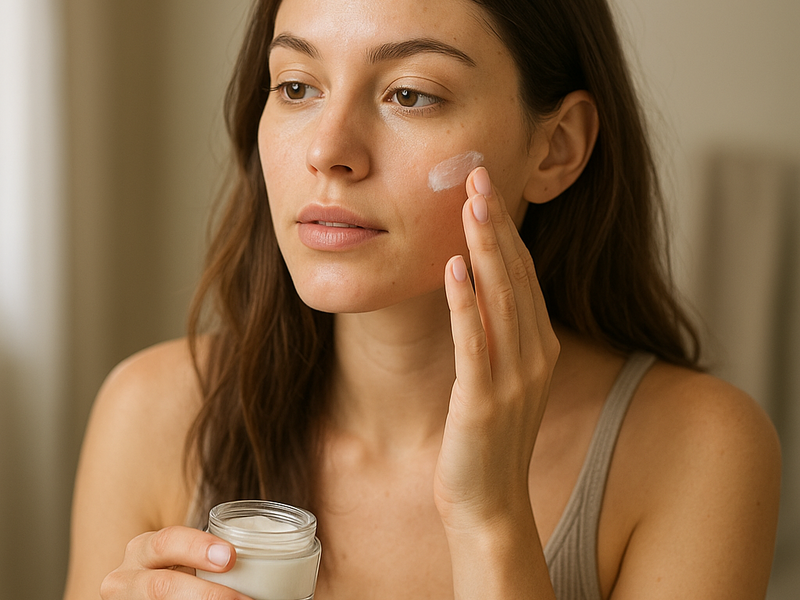
The Best Skincare Routine by Skin Type (Dry, Oily, Combination)

Combination skin brings its own balancing act, since some areas crave moisture while others seek oil-control. The key is to choose products that hydrate without overdoing it in the T-zone. A mild, well suited cleanser gives you a clean canvas without stripping, while a humectant rich serum helps hydrate drier patches. A gel or gel-cream moisturizer can offer a middle ground, providing enough moisture for dry areas while not overpowering oilier zones. Sunscreen should feel invisible on the skin, functioning as a protective layer rather than a greasy film. Some people find it helpful to use two moisturizers—one lighter for the forehead and nose and a slightly richer option for the cheeks—or to apply a single midweight moisturizer with targeted spot hydration for dry areas. The major brands have recognized this challenge and offer adaptable routines, with a focus on layering compatible products and avoiding fragrance where possible. The practical takeaway for combination skin is to start with a gentle cleanser, apply a balancing serum, choose a medium weight moisturizer, and finish with sunscreen that dries clear.

When you compare the top companies or websites that sell or provide skincare products, you’ll notice clear differences in range, pricing, authenticity, and user experience. Large retailers like Sephora and Ulta deliver breadth, reviews, and loyalty programs that help you discover products and compare options side by side. Sephora is often praised for its educational content, tester options, and a broad portfolio of prestige labels, while Ulta combines prestige and drugstore lines with convenient in-store pickups and generous rewards. For specialized or dermatologist backed options, Dermstore provides curated brands and detailed product notes that appeal to skincare enthusiasts who want deeper information before purchasing. Direct brand sites—CeraVe, La Roche-Posay, Paula’s Choice, Dermalogica, The Ordinary—offer straightforward ingredient transparency, brand loyalty programs, and often the fastest routes to the latest launches. Shopping direct can simplify returns and ensure product authenticity, though prices may vary and shipping times differ by region. A practical approach is to identify a cleanser, moisturizer, and sunscreen that suit your skin type, then compare prices across a few trusted retailers and the official brand site. If you’re unsure where to start, look for starter kits or sets designed for dry, oily, or combination skin; these help you sample a few essential products without committing to full sizes. Most importantly, monitor your skin’s response over a four to six week period, and adjust as needed. A routine that fits your lifestyle and respects your barrier tends to deliver the most reliable results.

As you implement your routine, remember that consistency beats intensity. Start with a couple of core products and add one at a time, allowing your skin to acclimate. Patch testing new actives, especially for sensitive individuals, minimizes the risk of reaction. If your climate changes—dryer air in winter or high humidity in summer—adapt by swapping in a more hydrating cleanser or a lighter moisturizer as needed. Avoid experimenting with many new products at once; instead, give each addition sufficient time to show its effect before introducing another. And above all, protect your skin from the sun every day. UV exposure is cumulative and a major driver of premature aging, so sunscreen should be non negotiable even on cloudy days. With consistency, appropriate product choices for your skin type, and smart shopping, you can develop a skincare routine that is effective, comfortable, and sustainable for the long term.

← Back to all articles