
The Easiest Healthy Habits That Make the Biggest Difference
Article
2026-01-26 • 6 min read

The Easiest Healthy Habits That Make the Biggest Difference

The easiest healthy habits that make the biggest difference tend to be the ones that require the least disruption while delivering reliable returns. Think of these actions as tiny, repeatable choices that compound over weeks, months, and years. You don’t ne...

The easiest healthy habits that make the biggest difference tend to be the ones that require the least disruption while delivering reliable returns. Think of these actions as tiny, repeatable choices that compound over weeks, months, and years. You don’t need to overhaul your life to feel sharper, sleep better, or move with more ease. You just need to pick a handful of habits you can actually sustain and then build a simple system around them.

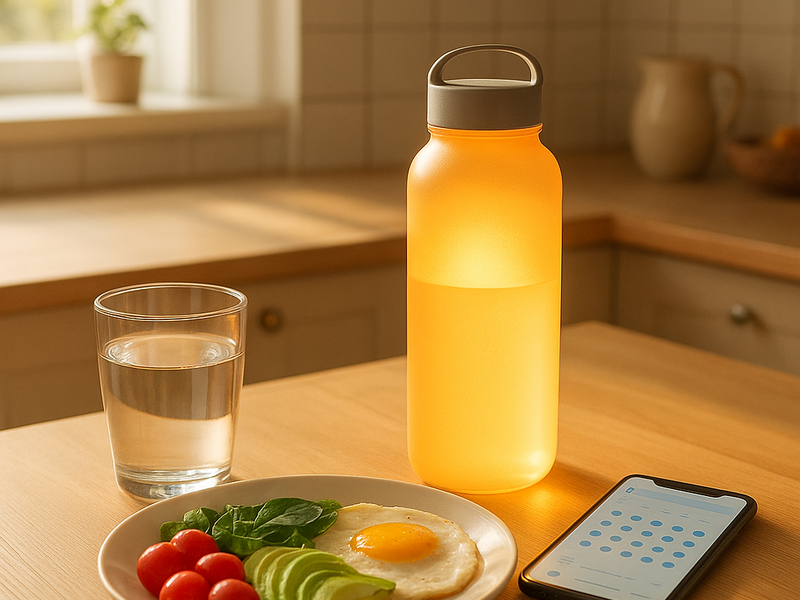
Hydration is a surprisingly potent starting point. Water affects energy, digestion, skin clarity, and even concentration. The simplest approach is to have a water bottle within reach, a gentle reminder strategy, and a goal that feels realistic. For many people, sipping a glass with every meal and carrying a bottle through the day creates automatic behavior without heavy willpower. If you want a nudge toward consistency, there are smart bottles and apps that track intake and prompt you when you fall behind. On the product side, two popular routes exist. First, smart hydration bottles like a widely known brand with built-in reminders that sync to your phone, offering real-time feedback on your consumption. Second, straightforward reminder apps that tally cups or glasses and encourage you to hit a daily target. If you prefer a free or low-cost option, simple habit-tracking apps or calendar reminders can work just as well. The key is turning hydration into a predictable pattern, not a one-off task.

Sleep quality stands alongside hydration in its power to change mood, focus, and resilience. The easiest way to improve sleep is to establish a consistent routine that tells your body when it is time to wind down. Regular bedtimes and wake times, a cool dark room, and a brief pre-sleep ritual—stretching, light reading, or a calm breathing exercise—can transform how you wake up. In practice, many people pair a high-quality mattress and pillow with a sleep-tracking option to understand patterns and adjust. The market offers strong choices: premium mattresses and ergonomic pillows from established brands, plus wearable or bedside sleep trackers that offer insights into sleep cycles, resting heart rate, and movement. When comparing products or services, you’ll often see three tiers. Full sleep systems such as mattress and pillow sets from trusted manufacturers, wearable devices that monitor sleep with companion apps, and mindfulness or relaxation apps that aid pre-sleep routines. For some, an all-in-one approach—good sleep gear plus a tracker and a calm-sleep app—delivers the smoothest path to regular, restorative rest. For budget-conscious readers, a stable sleep routine and a basic tracking app can be surprisingly effective.

Movement doesn’t have to mean joining a gym or running marathons. Small bouts of activity throughout the day add up to significant improvements in energy, posture, and long-term health. The simplest strategy is to insert micro-movements into routine tasks: stand up and stretch every hour, take a short walk after meals, or do a few body-weight moves in the living room. If you enjoy more structure, wearable trackers and fitness platforms can help you set modest goals, track steps, and maintain momentum. In the market, three widely used ecosystems stand out. Apple’s wearable line, Garmin devices, and Fitbit family offer varying blends of hardware, software, and community challenges. Apple Watch often emphasizes seamless integration with other devices and a broad app ecosystem; Garmin tends to appeal to endurance-focused users with precise metrics and longer battery life; Fitbit offers a balance of accessibility, social features, and price. Compare features like step counts, heart rate monitoring, and activity coaching, along with the accompanying mobile apps, to decide which ecosystem fits your daily rhythm. If you’d rather keep things low-tech, a simple habit of intentional movement—short walks, stair climbs, or brief stretching sessions—works regardless of device.

The Easiest Healthy Habits That Make the Biggest Difference

Nutrition is another area where small, repeatable changes pay compound interest. A practical habit is to prioritize fiber-rich foods, vegetables, and balanced meals that include protein, healthy fats, and whole grains. This approach stabilizes energy, supports digestion, and reduces the likelihood of energy crashes. You don’t need to become a chef; you need a plan. A weekly grocery list and a couple of reliable meal templates can dramatically simplify dinner rotation. For people who enjoy tracking, a few popular nutrition platforms offer different strengths. MyFitnessPal is well known for its large food database and easy logging; Lose It! emphasizes streamlined entry and goal setting; Cronometer offers detailed micronutrient tracking for those who want deeper insight into vitamins and minerals. For those who prefer convenience, meal planning services and recipe apps that generate weekly menus aligned with your goals can be a real time saver. The key is consistency and portion awareness rather than perfection.

Mindfulness and stress management are powerful because they influence every other habit. A simple daily practice—five to ten minutes of focused breathing, brief journaling, or a short guided meditation—can sharpen attention, lower cortisol, and improve mood. You don’t need a big commitment or a spiritual practice to start; you just need a cue and a sane routine. In the marketplace, mindfulness and mental wellness services come in several forms. Popular meditation and mindfulness apps offer guided sessions, sleep-enhancing features, and bite-sized programs that fit easily into a busy day. If you’re new, try a free trial and rotate between different instructors to find a voice that resonates. For ongoing use, a subscription can deliver value as part of your daily routine. The simplest path is to pair a short mindfulness habit with your evening wind-down or morning ritual, using a quiet space and a comfortable chair to establish a consistent, low-friction routine.

Consistency is the throughline that pulls all these habits together. The easiest way to scale up is to build tiny rituals around your day rather than attempting dramatic changes. Use simple tools to remind you, track you, and celebrate small wins. Whether you use an app, a smart bottle, a tracker, or a planner, the goal is to reduce friction and increase predictability. Start by selecting two or three habits that align with your current life and gradually add another as the old one becomes automatic. Remember that the strongest discipline is often kindness toward yourself; progress is seldom linear, and the best routines adapt to real life, not the other way around.

Comparisons and practical choices can help you decide where to invest. If hydration is your focus, you might try a smart bottle that links to an app versus a simple glass-and-reminder approach. For sleep, evaluate whether a mattress upgrade, a wearable sleep tracker, or a dedicated sleep app best serves your needs and budget. If movement is your priority, choose between a smartwatch, a fitness band, or a dedicated activity tracker based on how you use other devices daily. For nutrition, decide whether you want a robust food database and macro tracking or a lighter, more intuitive interface. For mindfulness, test a couple of apps to see which voice and structure feel sustainable. The best choice is the one that makes a healthy habit so effortless that you barely notice you are doing it.

In the end, the biggest differences come from small, repeatable actions that you can maintain. Hydration, sleep quality, movement, nutrition, and mindfulness—handled with simple systems—will accumulate into meaningful improvements in energy, focus, and resilience. The most effective habit set is the one you actually practice day after day, week after week, with grace and realism.

← Back to all articles