The Ultimate Home Organization Checklist (Room by Room) is more than a list of tasks; it is a practical framework designed to turn chaos into calm by focusing attention on one space at a time. Rather than trying to overhaul an entire home in a single weekend, you apply a room by room approach that builds momentum, establishes routines, and yields visible results you can maintain over the long term. The appeal lies in turning vague goals like “declutter the house” into a concrete plan with tangible outcomes, room by room.
A well crafted checklist does more than remind you to sort through belongings. It creates a path to better decision making, helps you understand how much storage you actually need, and reveals where your home is wasting space. When you break down the project by room, you can tailor strategies to the purpose of each area. For instance, an entryway benefits from quick access and easy daily routines; a kitchen needs zones for prep, cooking, and clean up; a home office thrives on document management and digital backups. The result is a home that feels lighter and more functional because each space has a defined role and a simple system to support it.
To begin, start with a clear inventory of what you own and what each space should do. This is not about judging yourself for excess; it is about understanding the flow of your daily life. Photograph or list items in each room and note their frequency of use. Your goal is to keep only what serves a purpose or adds joy, then find a designated home for every other item. As you move through the house, you will begin to notice patterns: which items you reuse weekly, which items clutter surfaces, and where the gaps in storage actually exist. With these insights, you can design zones within rooms, select appropriate storage solutions, and set up labeling systems that make sense to every household member.
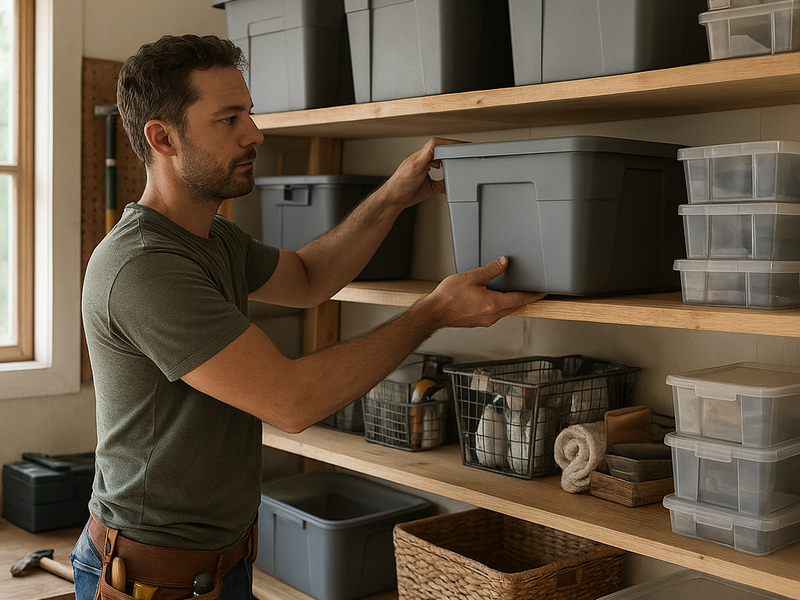
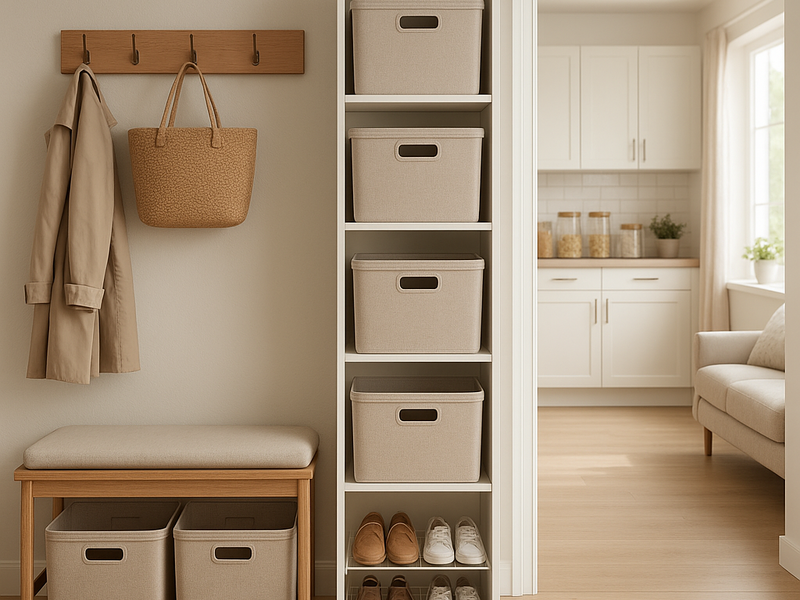
In practice, a room by room checklist often includes several core tasks for each space. In the entryway, the focus is on creating a welcoming and orderly landing zone: a bench or ottoman for seating, hooks or a coat rack for outerwear, and a simple set of bins for mail, keys, and bags. The kitchen requires a functional workflow: a usable prep area clear of nonessential items, designated spots for frequently used tools, clear containers for dry goods, and a pantry organization plan that tracks expiration dates. The living room benefits from cable management, a defined media center, and storage that hides clutter yet remains accessible. Bedrooms rely on clothing organization, seasonal storage strategies, and surfaces kept clear for rest.Bathrooms benefit from minimalism in daily essentials, clearly marked toiletry stations, and a system to manage medicines and first aid supplies. The laundry room often benefits from labeled hampers, sorting zones, and a simple care routine. The home office thrives with a paperless mindset when possible, a filing system for important documents, and a digital backup plan that reduces physical clutter. Garages and storage rooms require robust vertical solutions, clearly segmented tool zones, and a plan to rotate seasonal gear. Finally, a maintenance cadence keeps the entire home on track, with periodic resets that prevent a single space from slipping back into chaos.