

Walking for Weight Loss: The Simple Plan That Works
Article
2026-01-26 • 5 min read

Walking for Weight Loss: The Simple Plan That Works

Walking for weight loss is one of the most straightforward paths to shed pounds while building a foundation for long term health. The idea is simple: move more, eat well, stay consistent. When you translate that idea into regular walks, you tap into a habit...

Walking for weight loss is one of the most straightforward paths to shed pounds while building a foundation for long term health. The idea is simple: move more, eat well, stay consistent. When you translate that idea into regular walks, you tap into a habit that fits into most schedules, requires minimal gear, and offers immediate mental and physical benefits. The plan described here is a practical, no hype approach designed to be sustainable for weeks and months, not just days.

Walking works for several reasons. First, walking is low impact, which means you can start soon after deciding to change your routine without needing specialized equipment or a gym membership. It strengthens muscles, improves blood sugar regulation, and can raise daily caloric expenditure even on days when you do not work out intensely. Second, walking supports consistency. Because you can do it almost anywhere and at almost any pace, you can tailor it to your current fitness level. Third, walking helps with mood and stress management. When stress is lower, you’re less likely to reach for comfort foods, making it easier to maintain a balanced approach to eating. In short, walking creates a positive feedback loop: you feel better, you move more, and over time those small activities translate into meaningful results.

There are several core ways to structure your walking routine to maximize fat loss and improve fitness. Start with a daily baseline you can maintain. Beginners often begin with short, comfortable walks most days of the week, and gradually increase either the duration or the pace. As you gain confidence, mix in two types of sessions: steady walks and interval walks. Steady walks are comfortable, conversational pace sessions that build aerobic health and burn calories over time. Interval walks mix short bursts of brisk walking with periods of easy walking, which can boost your metabolism and improve cardiovascular fitness more quickly.

Getting started is about setting up for success. Begin by choosing a reliable, comfortable pair of shoes and a route you can repeat without much planning. Use steps or time as your guide, not a perfect distance. Track your activity with a simple diary, a health app, or a wearable if you already own one. A practical starting target is to aim for five days of walking per week, with each session lasting twenty to thirty minutes. If you can only manage short bouts, break them into two or three segments throughout the day. The key is consistency, not perfection.

A simple four week progression can help you build momentum without overwhelming your body. Week one, walk five days at a steady, comfortable pace for twenty minutes each day. Week two, extend two sessions to thirty five minutes and keep the remaining days at twenty to thirty minutes. Week three, add an interval day once or twice per week. For the interval days, begin with alternating gentle walking and brisk segments, for example two minutes of brisk walking followed by three minutes of easy walking, repeated four to six times. Week four, maintain the steady sessions and structure one longer walk of forty five to sixty minutes on a weekend or a day with more time. If intervals feel too challenging at first, simply extend the steady sessions and keep the intervals light. The goal is forward movement and the gradual, sustainable increase in effort.
Walking for Weight Loss: The Simple Plan That Works

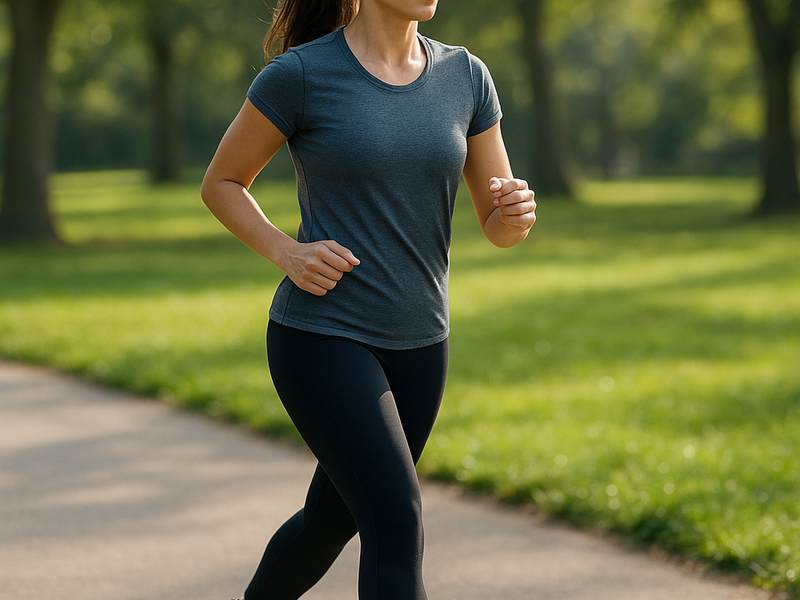
Beyond duration, pay attention to pace and technique. A practical rule is the talk test: you should be able to speak in short sentences but not sing songs. If you cannot talk at all, you are pushing too hard; if you can carry on a full conversation without breath, you may need to increase the pace a touch. Good posture matters: shoulders relaxed, head up, chest open, and arms swinging naturally. Include a brief warm up before you start and a few minutes of slower walking and gentle stretches after you finish to reduce muscle stiffness and support recovery.

Diet and lifestyle integration can amplify results. A modest daily calorie deficit, achieved through portion control, mindful eating, and nutrient-dense foods, improves the odds that your walks translate into real weight loss. Hydration matters. Ensure you drink water surrounding your activity and carry a bottle for longer sessions. Sleep is equally important; high quality rest supports recovery and helps regulate appetite hormones. A practical approach is to plan meals around activity days so you’re fueling well for workouts and recovering afterward.

There are many tools available to support a walking program. For those who want guided structure and extra motivation, several platforms offer plans and communities. For tracking and social motivation, look at wearable friendly apps and sites. Nike Run Club provides guided walking workouts and community challenges. MapMyWalk offers route planning and activity tracking that makes it easy to repeat favorite walks. Strava is strong for route sharing and progress comparisons with friends or local walkers. The Fitbit app pairs with devices to count steps, set reminders to move, and monitor trends over weeks. For a more instructional, home based approach, Leslie Sansone’s Walk at Home program offers a structured library of walking routines that can be streamed or purchased as DVDs. Each option has its own strengths, from simple trackers to comprehensive coaching, so you can choose what best fits your lifestyle and budget.

If you want to maximize adherence, consider coupling social support with your plan. Join a walking group, invite a friend to walk with you, or participate in online communities that celebrate small wins. Use music or podcasts to make sessions feel less like a chore and more like a period of personal time. Tracking progress is also vital; jot down weekly milestones such as total minutes walked, number of sessions, or an incremental increase in pace or distance. Seeing progress in black and white provides motivation to keep going when motivation dips.

In the end, the simplest plan often works best. Start with comfortable goals, gradually lift the bar, and align your walking with sensible eating and good sleep. Small, consistent efforts accumulate into noticeable change. Walking is a kinetic diary of your daily choices, a quiet, dependable engine for weight management and overall health. By choosing consistency, you avoid the extremes that derail most fitness programs, and you place yourself on a sustainable path toward better health.

← Back to all articles